|
| |
|
|
|
|
| 1 |
 |
240 The Philosophical Debate on Human Selfishness
At a party, you find yourself in a moral dilemma, with famous philosophers offering different perspectives. John Stuart Mill advocates for maximizing happiness, while Aristotle emphasizes virtues like...
|
|
READING
SPEAKING
CHUNK
더빙하기
|
|
| 2 |
 |
304 The Banality of Evil and the Importance of Critica...
In April 1961, Adolf Eichmann, a Nazi official responsible for organizing the transport of over 1.5 million Jews to concentration camps, stood trial in Jerusalem. Many expected to see an evil mastermi...
|
|
READING
SPEAKING
CHUNK
더빙하기
|
|
| 3 |
 |
312 The Ethics of Anger: When Is It Morally Right to B...
Anger is a complex emotion, sometimes feeling justified and other times impulsive. The question of whether anger is ever morally right is explored by different philosophers. Aristotle, for example, be...
|
|
READING
SPEAKING
CHUNK
더빙하기
|
|
| 4 |
 |
165 The Power of the Socratic Method
Socrates, a key figure in Western philosophy, was put on trial in Athens for allegedly corrupting the youth and disrespecting the gods. However, his true influence lay in his method of questioning, ra...
|
|
READING
SPEAKING
CHUNK
더빙하기
|
|
| 5 |
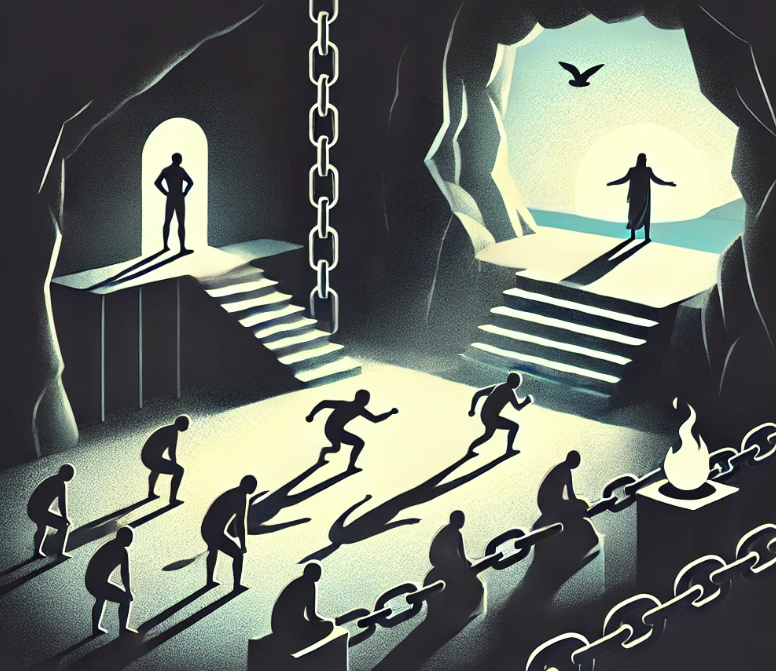 |
260 The Allegory of the Cave: A Reflection on Reality ...
Plato's Allegory of the Cave, found in "The Republic," uses a vivid metaphor to explore deep philosophical questions. The allegory describes prisoners who have been chained in a cave since birth, forc...
|
|
READING
SPEAKING
CHUNK
더빙하기
|
|
| 6 |
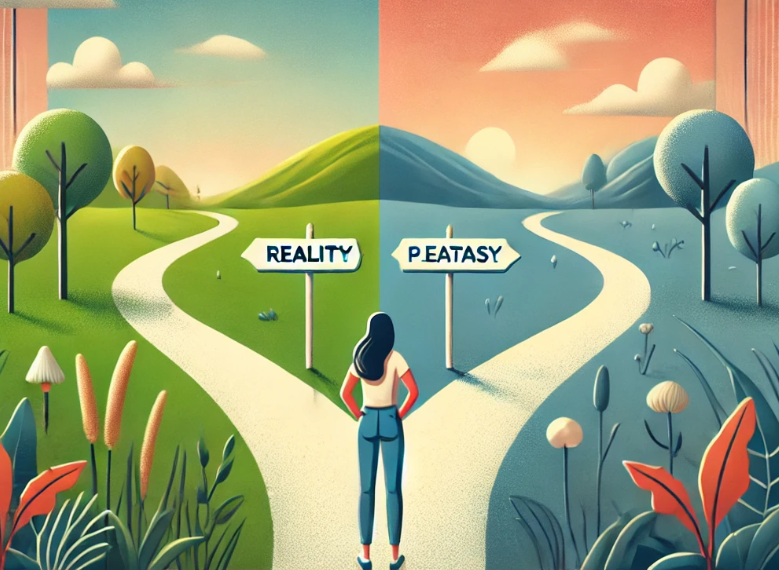 |
290 Choosing Reality Over Perfect Pleasure
Imagine a machine that could give you ultimate pleasure for the rest of your life, simulating reality so perfectly that you'd never know the difference. Philosopher Robert Nozick introduced this idea ...
|
|
READING
SPEAKING
CHUNK
더빙하기
|
|
| 7 |
 |
195 Exploring the Ship of Theseus
Throughout history, the question “Who am I?” has captivated countless minds, from ancient Greek philosophers to modern musicians. Despite their efforts, no final consensus has emerged. One reason ...
|
|
READING
SPEAKING
CHUNK
더빙하기
|
|
| 8 |
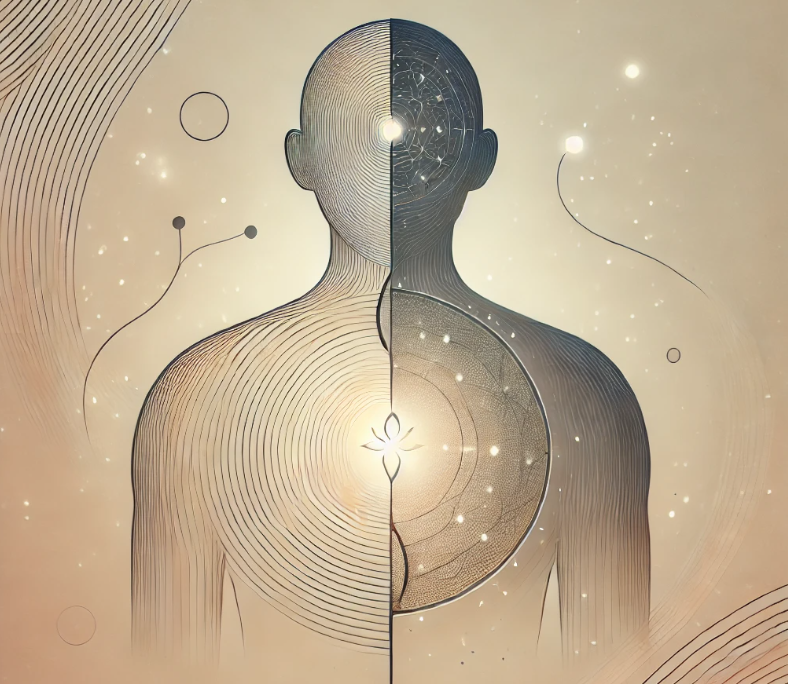 |
309 Relationship Between Self and Consciousness
The rubber hand illusion is a psychological experiment revealing how easily our sense of body ownership can be manipulated. In this setup, your real hand is hidden while a lifelike rubber hand is plac...
|
|
READING
SPEAKING
CHUNK
더빙하기
|
|
| 9 |
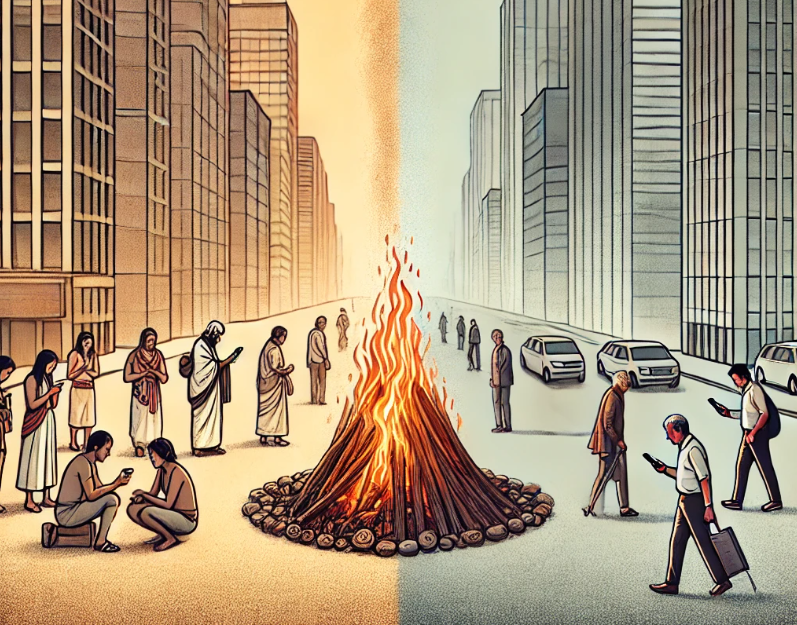 |
121 The Decline of Rituals in Modern Societies
Modern societies have largely abandoned rituals, unlike traditional societies that were rich with them. Rituals, often linked to spiritual or psychological events, brought people together and helped t...
|
|
READING
SPEAKING
CHUNK
더빙하기
|
|
| 10 |
 |
165 The Modern Crisis of Loneliness
As society has modernized, communal activities like shared meals have diminished, leading to increased loneliness. Historically, solitude was not seen as negative. Figures like Saint Anthony and monas...
|
|
READING
SPEAKING
CHUNK
더빙하기
|
|
| 11 |
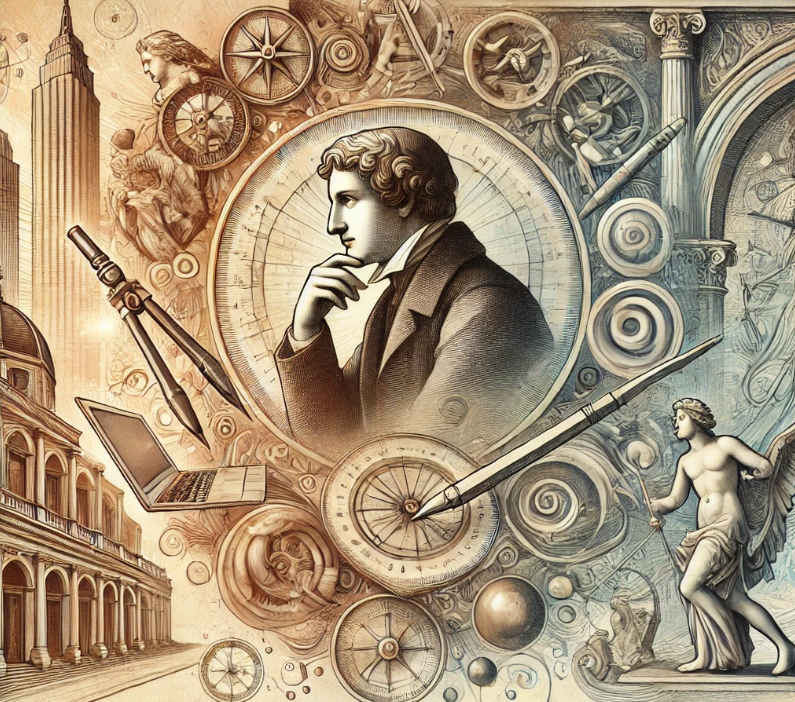 |
237 Renaissance Insights for Modern Society
The Renaissance, a significant period in European history, is celebrated for its cultural and intellectual achievements. This era saw a revival of ancient Greek and Roman ideals by architects, poets, ...
|
|
READING
SPEAKING
CHUNK
더빙하기
|
|
| 12 |
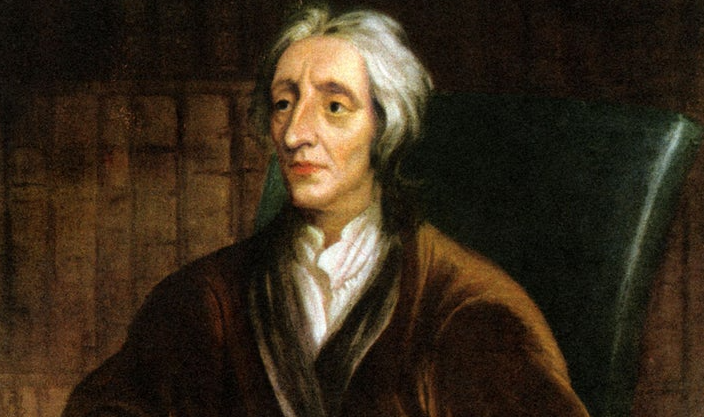 |
201 John Locke: Pioneer of Religious Tolerance and Dem...
John Locke, a 17th-century English philosopher, made significant contributions to three enduring issues: education, governance, and religious tolerance. Born in 1632 in Somerset, Locke was deeply infl...
|
|
READING
SPEAKING
CHUNK
더빙하기
|
|
| 13 |
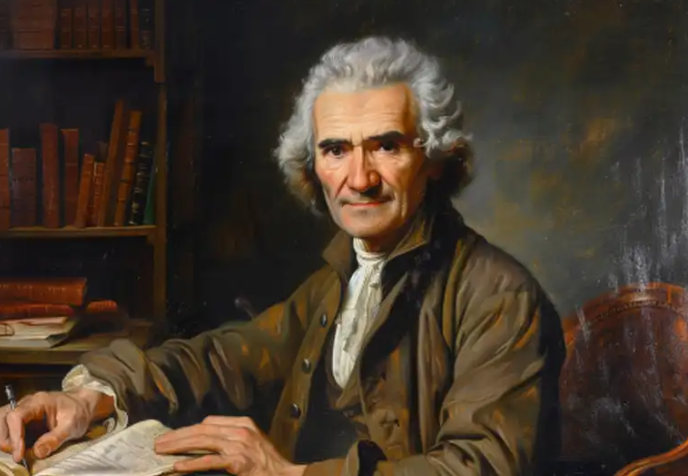 |
268 Jean-Jacques Rousseau: Critic of Civilization and ...
Modern society is captivated by the idea of progress, but the 18th-century philosopher Jean-Jacques Rousseau offered a critical perspective that remains relevant today. Born in 1712 in Geneva, Roussea...
|
|
READING
SPEAKING
CHUNK
더빙하기
|
|
| 14 |
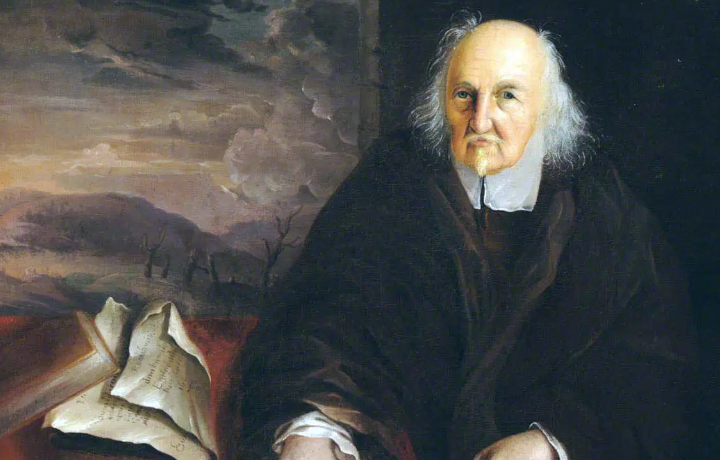 |
284 Thomas Hobbes: Advocate of Order Over Revolution
Thomas Hobbes, a 17th-century English philosopher, is known for his influential work on the role of government and the extent to which people should obey rulers, especially those who are not effective...
|
|
READING
SPEAKING
CHUNK
더빙하기
|
|
| 15 |
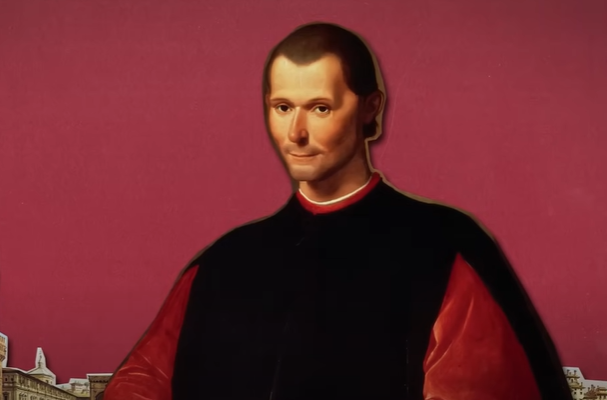 |
278 Balancing Effectiveness and Morality
Many people are shocked by the dishonesty of politicians, but Niccolò Machiavelli, a 15th-century political theorist, argued that this behavior is not inherently bad. According to Machiavelli, a good...
|
|
READING
SPEAKING
CHUNK
더빙하기
|
|
| 16 |
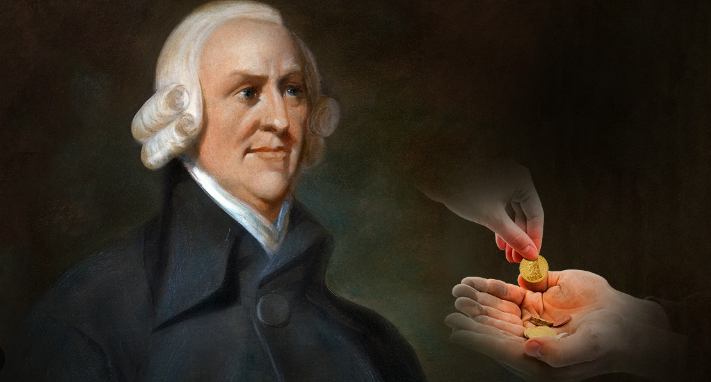 |
251 Adam Smith’s Vision for a Humane Capitalism
Adam Smith offers insights into making capitalism more humane and meaningful. Born in 1723 in Scotland, Smith was a philosopher and economist who sought to understand the money system to improve the h...
|
|
READING
SPEAKING
CHUNK
더빙하기
|
|
| 17 |
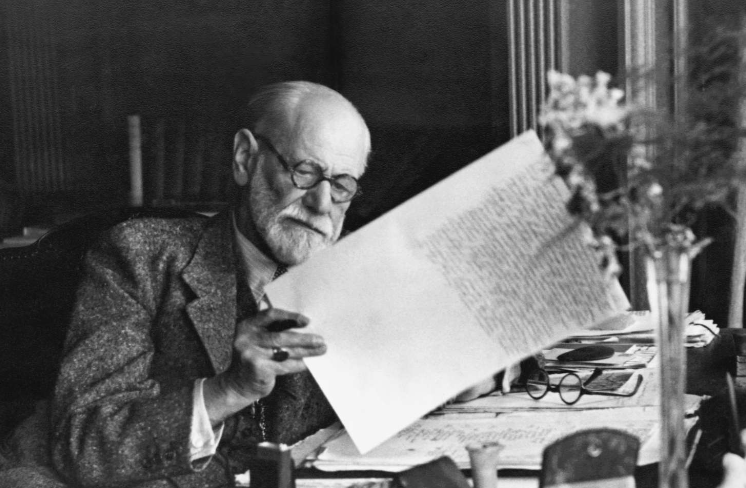 |
239 Sigmund Freud: Understanding Our Complicated Minds...
Sigmund Freud, born in 1856, was a thinker who helped us understand why life and relationships are often confusing and painful. He had a difficult life but became famous for creating psychoanalysis, a...
|
|
READING
SPEAKING
CHUNK
더빙하기
|
|
| 18 |
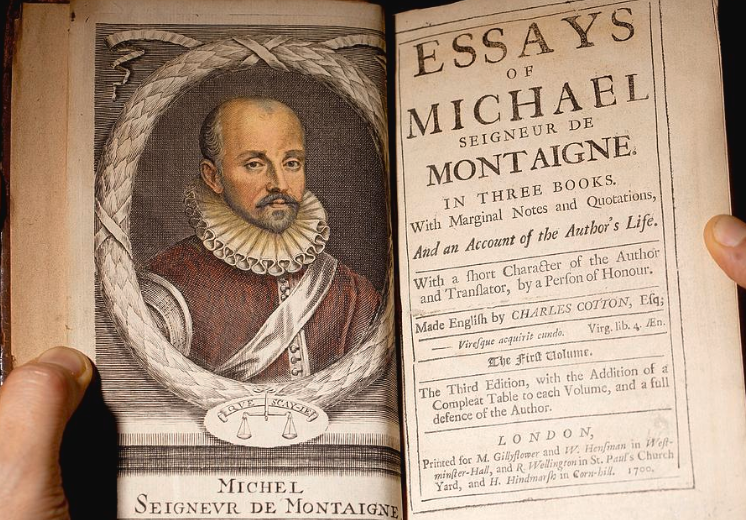 |
283 The Philosopher Who Embraced Imperfection
Michel de Montaigne, born in France in 1533, was a philosopher who had a unique and humble view on life. Unlike many intellectuals, he did not believe in the superiority of reason or intelligence. In ...
|
|
READING
SPEAKING
CHUNK
더빙하기
|
|
| 19 |
 |
196 Albert Camus: Finding Meaning in an Absurd World
Albert Camus, a French-Algerian philosopher, was deeply affected by the violence and suffering he witnessed throughout his life, leading him to question the meaning of existence. Unlike existentialist...
|
|
READING
SPEAKING
CHUNK
더빙하기
|
|
| 20 |
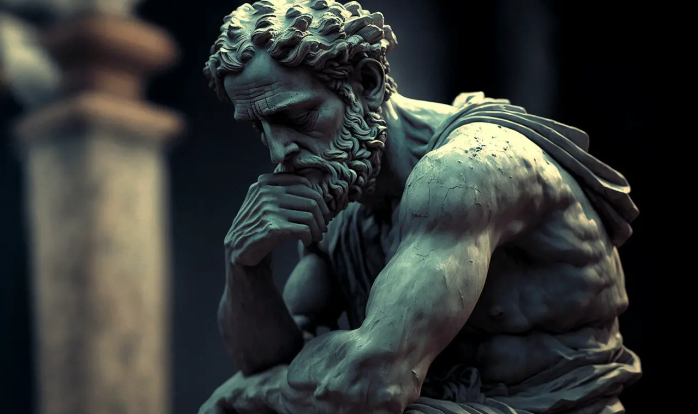 |
210 Stoicism: A Philosophy of Virtue and Resilience
Zeno of Cyprus, once a wealthy merchant, lost everything in a shipwreck around 300 BCE and found himself in Athens. Inspired by the teachings of Socrates, he studied philosophy and eventually founded ...
|
|
READING
SPEAKING
CHUNK
더빙하기
|
|
| 21 |
 |
245 The Philosophy of Love: Exploring Its Purpose and ...
Romantic love is a complex and multifaceted emotion, often described as both beautiful and painful. The purpose and nature of love have puzzled philosophers throughout history, leading to various intr...
|
|
READING
SPEAKING
CHUNK
더빙하기
|
|
| 22 |
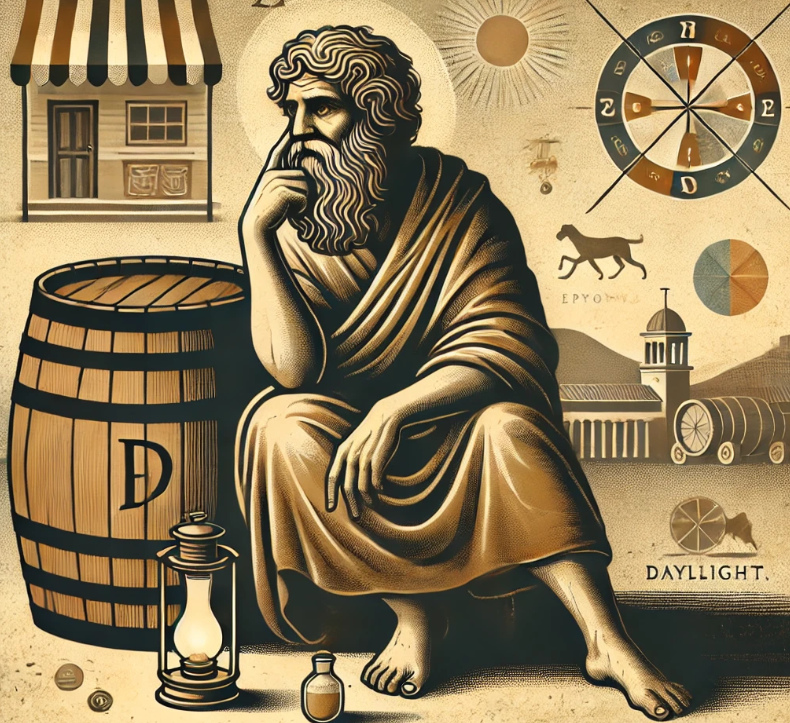 |
263 The Legacy of Diogenes
In the 4th century BC, Diogenes of Sinope, a banker’s son, faced scandal for counterfeiting coins, leading to his exile and loss of all possessions. During his exile, Diogenes developed a philosophy...
|
|
READING
SPEAKING
CHUNK
더빙하기
|
|
| 23 |
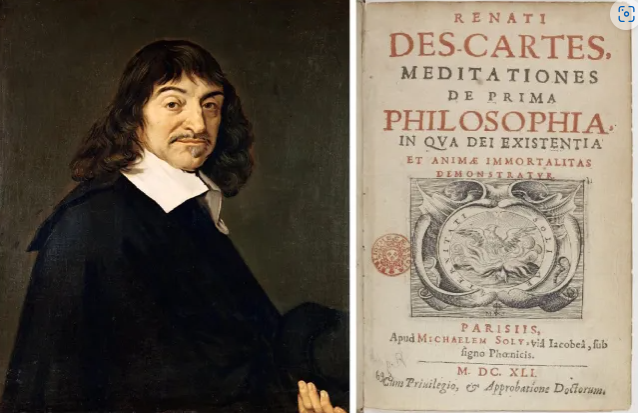 |
139 How Do You Know You Exist?
How do you know you're real? This simple question becomes complex when you try to answer it. Philosopher René Descartes tackled this in his work "Meditations on First Philosophy," questioning everyth...
|
|
READING
SPEAKING
CHUNK
더빙하기
|
|
| 24 |
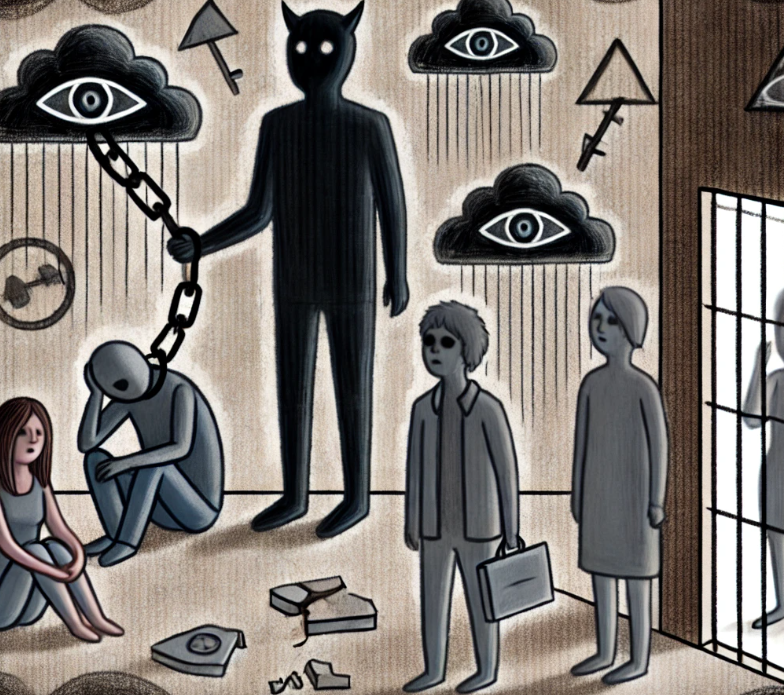 |
238 The Dangers of Cults: Understanding Their Tactics ...
Reverend Jim Jones founded the Peoples Temple in 1955, which initially attracted many followers but ended tragically in 1978 when 909 people died in Jonestown, Guyana, after being forced to drink pois...
|
|
READING
SPEAKING
CHUNK
더빙하기
|
|
| 25 |
 |
179 The Enduring Attachment to Our Possessions
Humans form a strong attachment to their possessions from an early age, a concept known as the "endowment effect," where we value items more simply because we own them. Jean Piaget first observed this...
|
|
READING
SPEAKING
CHUNK
더빙하기
|
|