|
| |
|
|
|
|
| 1 |
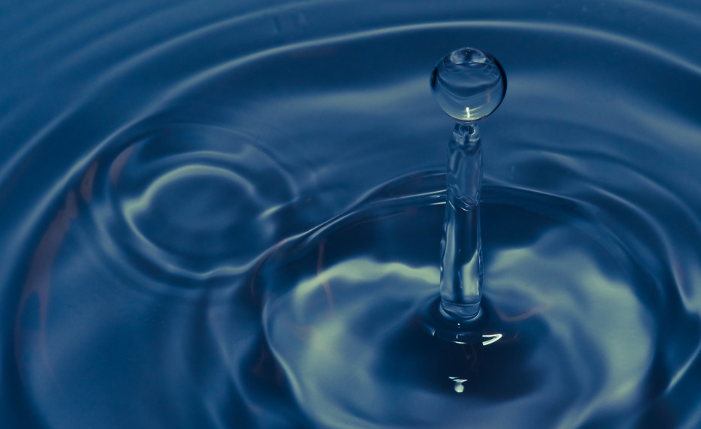 |
229 Solid and Liquid Transformation
A solid has a fixed shape. It does not change even when placed in a container. It does not flow, and you can hold it in your hands. Examples of solids include ice, wood, and metal.
A liquid, howeve...
|
|
READING
SPEAKING
CHUNK
더빙하기
|
|
| 2 |
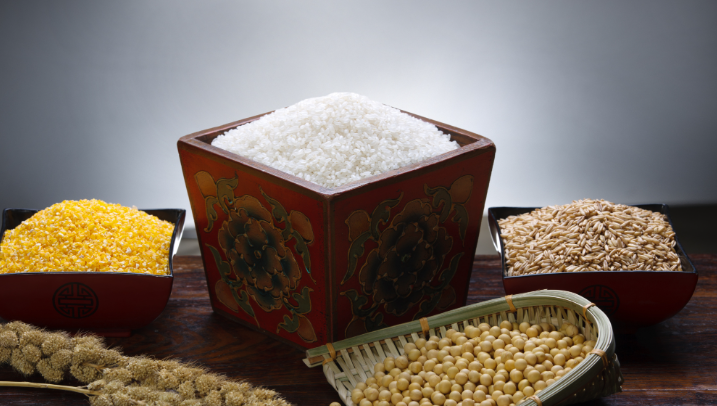 |
148 The Wonders of Simple Chemistry
Sugar and starch look the same, but they feel different. Sugar is rough, and starch is soft. Both are white, but they change in different ways when heated.
When sugar is boiled, it melts and turns ...
|
|
READING
SPEAKING
CHUNK
더빙하기
|
|
| 3 |
 |
180 The Power of Magnets
Magnets are amazing! They have two poles – the north pole and the south pole. These poles interact in interesting ways. If the poles are different, they attract each other. For example, the north po...
|
|
READING
SPEAKING
CHUNK
더빙하기
|
|
| 4 |
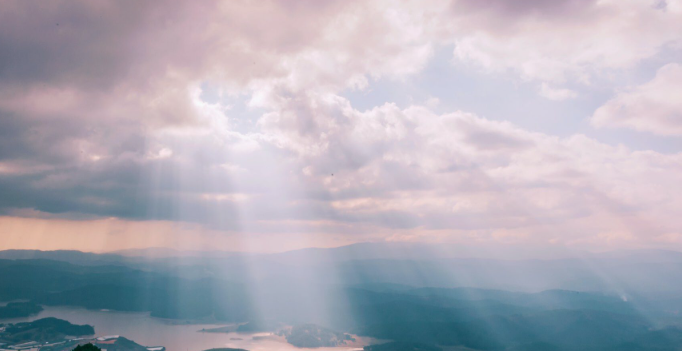 |
176 The Invisible but Powerful Air
Air is everywhere. It surrounds us all the time. But what is air? Air is a mixture of gases. We cannot see it, but we can feel it when the wind blows. Without air, life would not exist. We need air to...
|
|
READING
SPEAKING
CHUNK
더빙하기
|
|
| 5 |
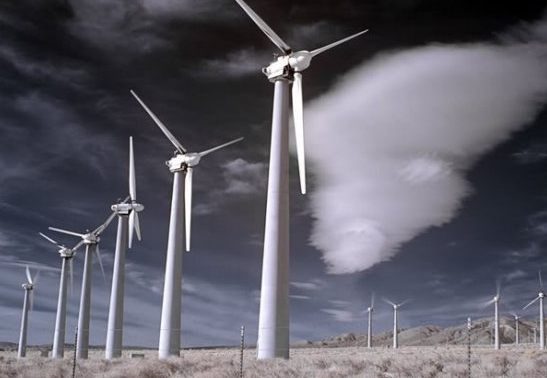 |
178 The Magic of Moving Air
Air is all around us, but we cannot see it. Even though it is invisible, air can move from one place to another. Tom wanted to see how air moves, so he did an experiment.
He got a volleyball, a bal...
|
|
READING
SPEAKING
CHUNK
더빙하기
|
|
| 6 |
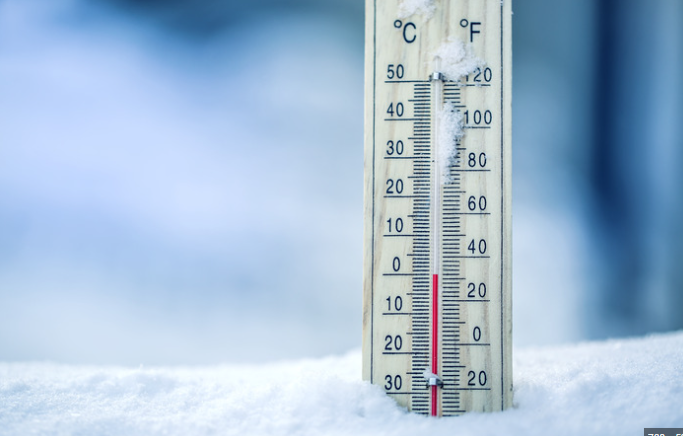 |
162 The Changing Temperature
Temperature shows how hot or cold something is. When the temperature rises, it becomes hot. When it drops, it becomes cold. We measure temperature in degrees Celsius (°C).
The temperature around u...
|
|
READING
SPEAKING
CHUNK
더빙하기
|
|
| 7 |
 |
244 The Beauty of the Four Seasons
Each season has its own special feeling. In summer, the weather is hot, so I stay in my room with the air conditioner on. To stay cool, I wear thin shirts and short pants. I also enjoy eating ice crea...
|
|
READING
SPEAKING
CHUNK
더빙하기
|
|
| 8 |
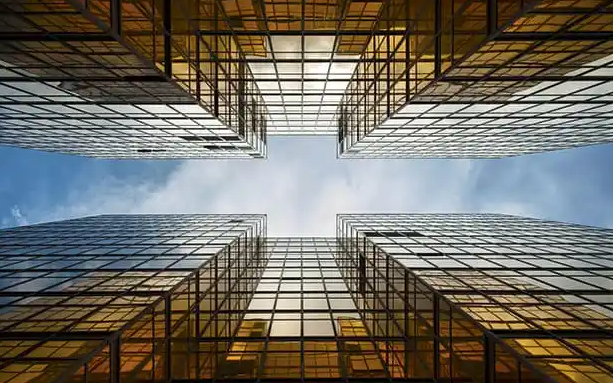 |
148 The Fun of Symmetry
Do you know what symmetry is? Symmetry means that an object is balanced on both sides. When something is symmetric, one side looks the same as the other.
You can measure symmetry in different ways....
|
|
READING
SPEAKING
CHUNK
더빙하기
|
|
| 9 |
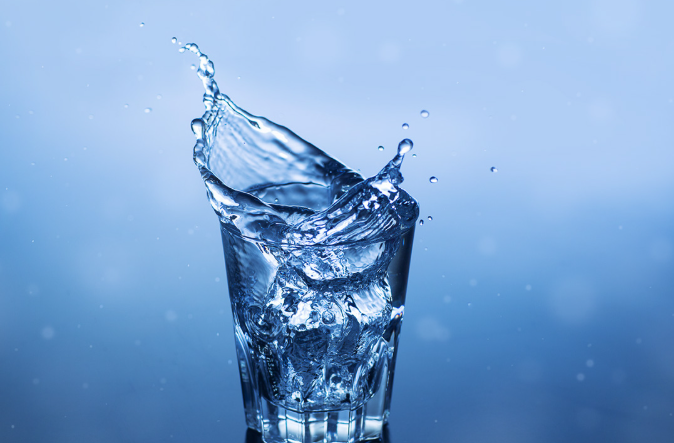 |
309 The Mystery of Liquids
There are many kinds of liquids around us, but today, let’s focus on four: water, vinegar, alcohol, and cooking oil. Each of these liquids has its own special characteristics, and by observing them ...
|
|
READING
SPEAKING
CHUNK
더빙하기
|
|
| 10 |
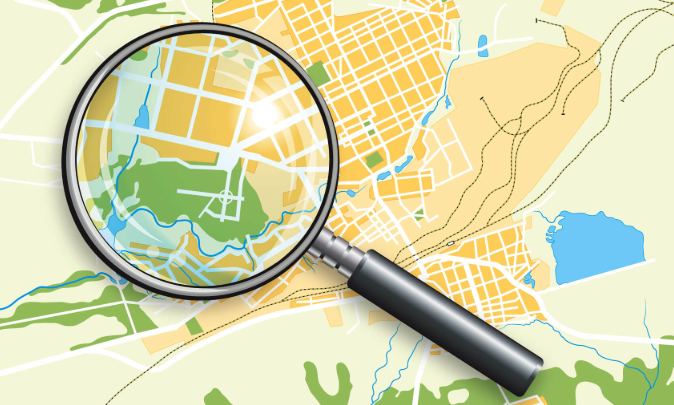 |
256 Exploring Different Types of Maps
Maps help us understand the world around us. Among them, thematic maps are special because they focus on specific topics. There are many kinds of thematic maps, each designed for a different purpose. ...
|
|
READING
SPEAKING
CHUNK
더빙하기
|
|
| 11 |
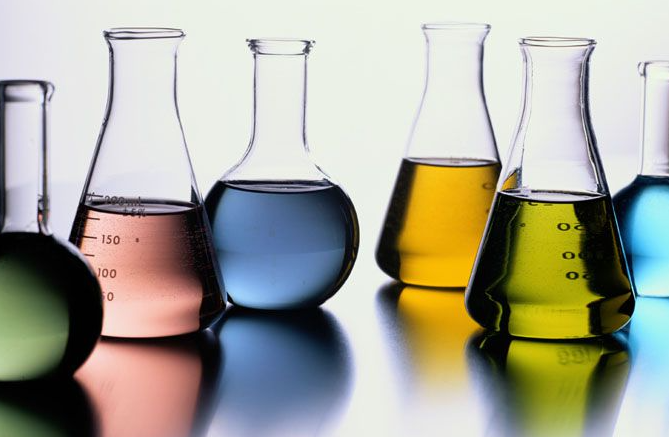 |
247 The Magic of Mixing Liquids
Some liquids mix well together, while others do not. Water is a great example of a liquid that blends easily. It mixes well with acetone and alcohol. Acetone and alcohol also mix smoothly. Even aceton...
|
|
READING
SPEAKING
CHUNK
더빙하기
|
|
| 12 |
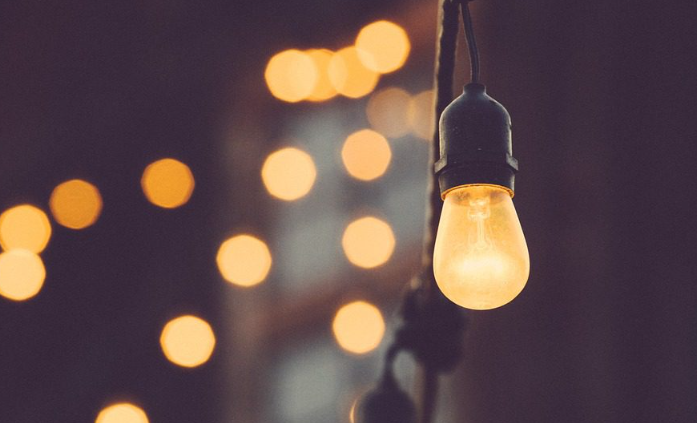 |
240 Electricity and Devices
Electricity is essential for many devices in daily life. Some devices, like televisions, receive electricity from an outlet. The outlet provides power at all times, so the TV can be used whenever need...
|
|
READING
SPEAKING
CHUNK
더빙하기
|
|
| 13 |
 |
222 Understanding Light Bulbs
There are different kinds of light bulbs. A bulb is made of several parts: a glass outline, a filament, support wires, a cap, and an electrical contact. The filament inside the bulb produces light whe...
|
|
READING
SPEAKING
CHUNK
더빙하기
|
|
| 14 |
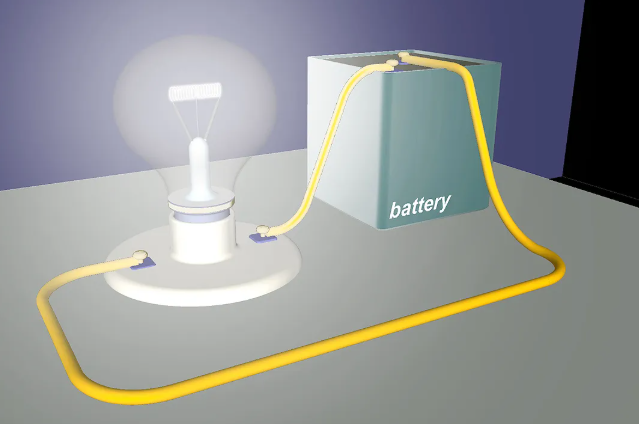 |
232 How Electricity Flows
Electricity moves through different materials. A conductor is a material that allows electricity to flow easily. Examples of conductors are metals like copper and aluminum. When electric current flows...
|
|
READING
SPEAKING
CHUNK
더빙하기
|
|
| 15 |
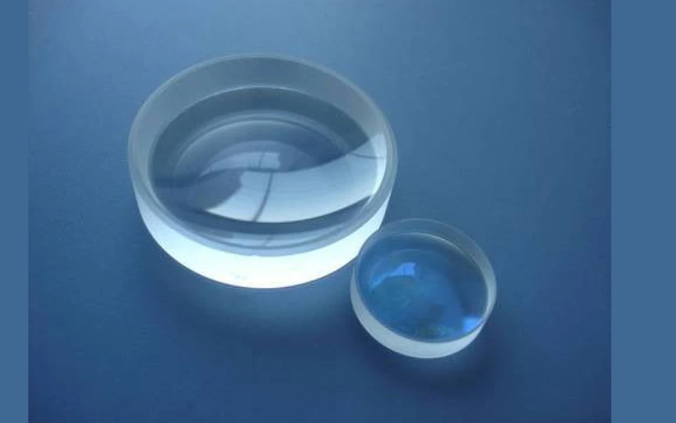 |
205 Concave and Convex Lenses
Lenses help us see things differently. There are two main types of lenses: concave and convex. They change the way objects look and are used in many tools.
A concave lens is thin in the middle. It ...
|
|
READING
SPEAKING
CHUNK
더빙하기
|
|
| 16 |
 |
237 Magical Ink and Solutions
Melting happens when a solid turns into a liquid. For example, ice melts into water when heated. Some people think salt melts in water, but that is not true. Instead, salt dissolves, forming a solutio...
|
|
READING
SPEAKING
CHUNK
더빙하기
|
|
| 17 |
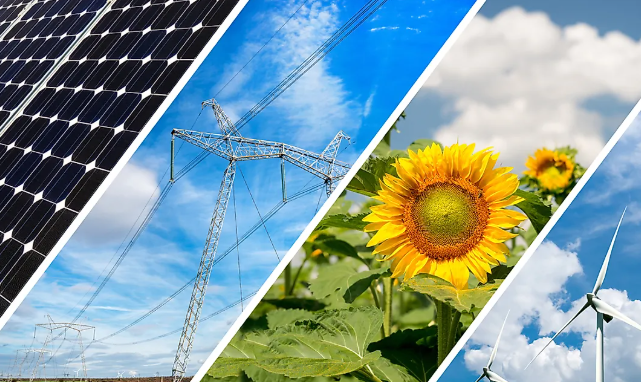 |
185 Natural Resources and Their Impact
Coal and limestone are natural resources. But what exactly are natural resources? They are materials found in nature that people use in daily life. There are many different kinds of natural resources....
|
|
READING
SPEAKING
CHUNK
더빙하기
|
|
| 18 |
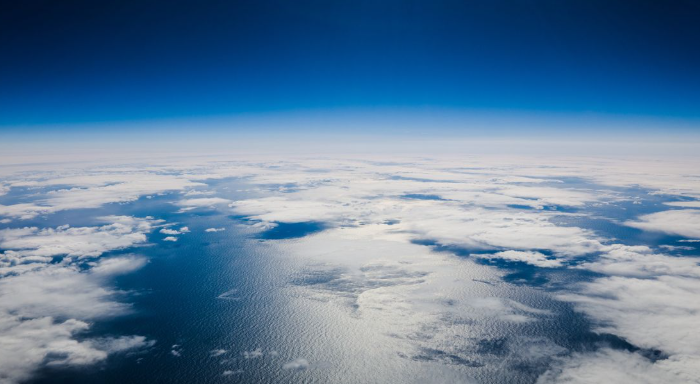 |
180 The Changing Atmospheric Temperature
The atmospheric temperature is constantly changing. It varies based on its distance from the equator and its height above the surface. To track these changes, a mercury thermometer in an instrument sc...
|
|
READING
SPEAKING
CHUNK
더빙하기
|
|
| 19 |
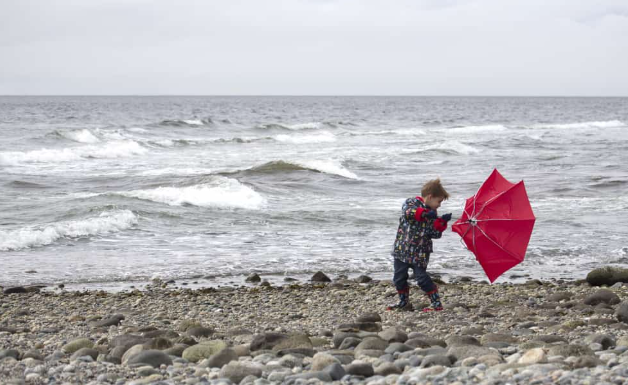 |
253 The Changing Winds at the Seashore
Have you ever visited the seashore? If so, you must have felt the wind blowing. This gentle wind at the beach is called a breeze, and its direction changes daily.
During the daytime, the wind blows...
|
|
READING
SPEAKING
CHUNK
더빙하기
|
|
| 20 |
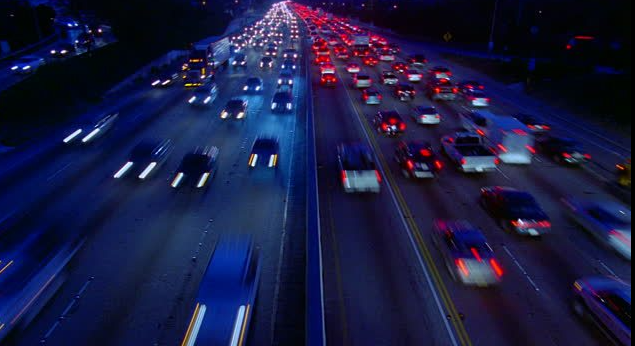 |
212 The Science of Motion and Speed
Have you ever directed a play as a child? Now, you can be the director of a doll play! If you want to create a scene where the doll moves forward, how would you do it? You can either move the doll for...
|
|
READING
SPEAKING
CHUNK
더빙하기
|
|
| 21 |
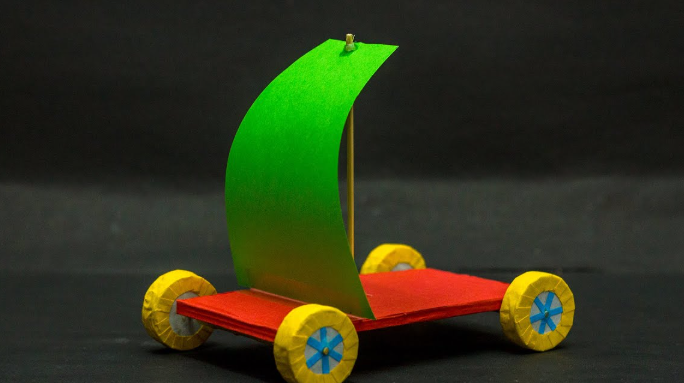 |
278 A Wind-Powered Toy Car
Imagine if you could move a car just by blowing on it or using a fan. It may seem impossible, but if the car is light enough, the wind can push it forward. By making a small toy car, you can test this...
|
|
READING
SPEAKING
CHUNK
더빙하기
|
|
| 22 |
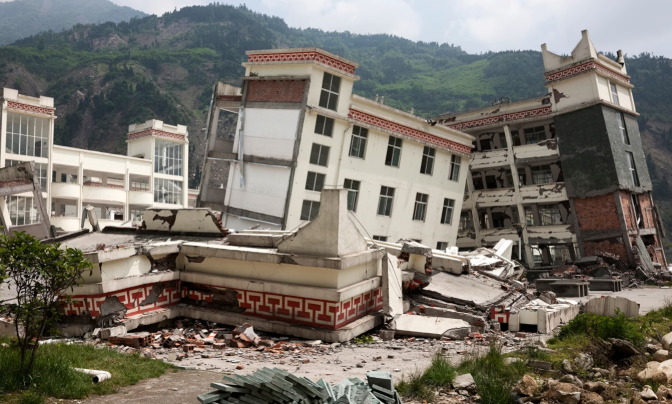 |
268 Earthquake Safety Measures
An earthquake is one of the most powerful natural disasters in the world. It happens when there is a sudden movement in the Earth's crust, making the ground shake violently. These shakes can cause gre...
|
|
READING
SPEAKING
CHUNK
더빙하기
|
|
| 23 |
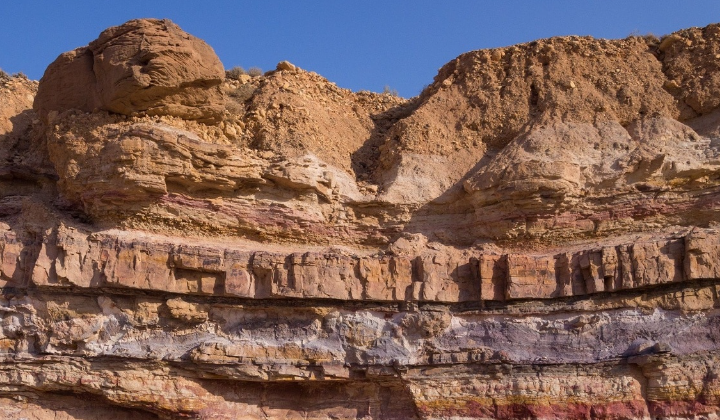 |
238 The Wonders of Rocks
How much do you know about rocks? There are different types of rocks, each formed in unique ways. Understanding these rocks helps us learn about the Earth's history.
Sedimentary rocks form when lay...
|
|
READING
SPEAKING
CHUNK
더빙하기
|
|
| 24 |
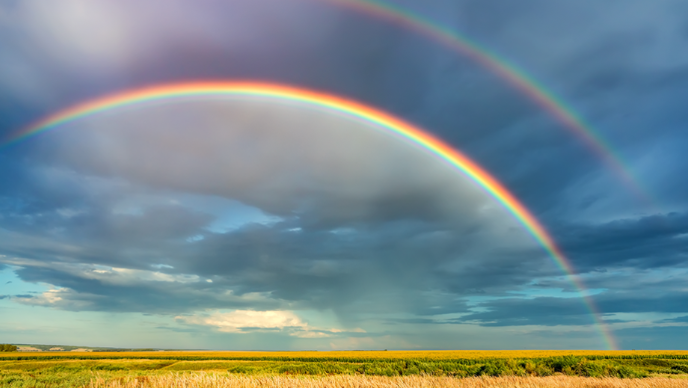 |
225 How Do Rainbows Form?
Rainbows are one of the most beautiful natural phenomena. They appear in the sky after rain when sunlight shines through raindrops. But how do they form?
A rainbow is created when light passes thro...
|
|
READING
SPEAKING
CHUNK
더빙하기
|
|
| 25 |
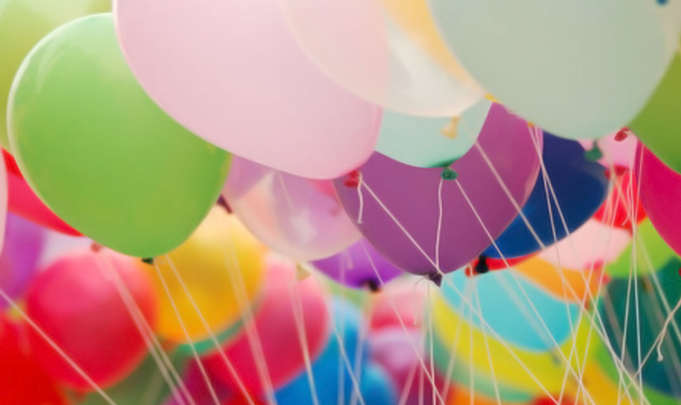 |
213 Why Do Balloons Pop?
Balloons are fun to play with, but they can pop suddenly. Have you ever wondered why this happens? The reason is air pressure.
When you blow up a balloon, you fill it with air. The air pushes again...
|
|
READING
SPEAKING
CHUNK
더빙하기
|
|
| 26 |
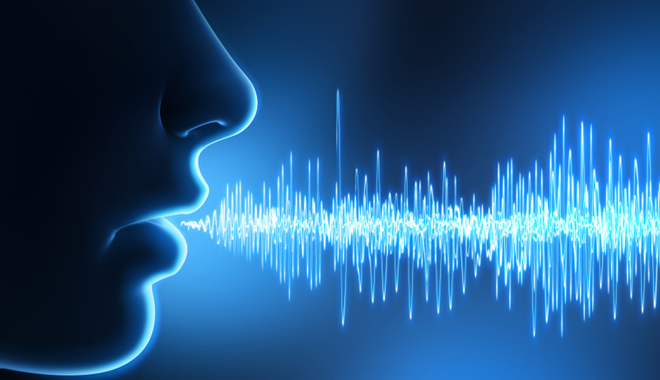 |
208 Can Sound Travel Without Air?
Sound is something we hear every day. We can listen to voices, music, and sounds from nature. But can sound travel in a place without air? The answer is no. Sound needs air or another material to trav...
|
|
READING
SPEAKING
CHUNK
더빙하기
|
|
| 27 |
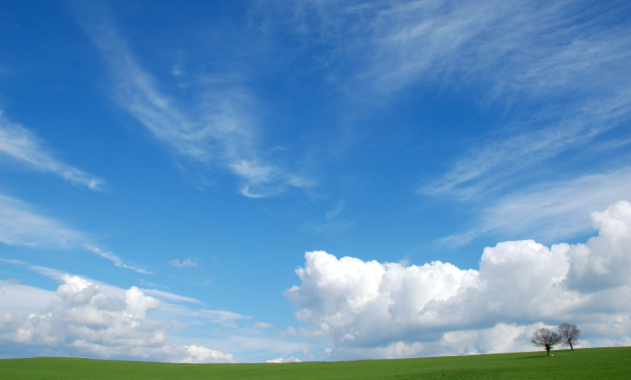 |
167 Why Is the Sky Blue?
The sky is blue, but have you ever wondered why? The reason lies in the way sunlight interacts with the Earth's atmosphere.
Sunlight looks white, but it is actually made up of different colors. Eac...
|
|
READING
SPEAKING
CHUNK
더빙하기
|
|
| 28 |
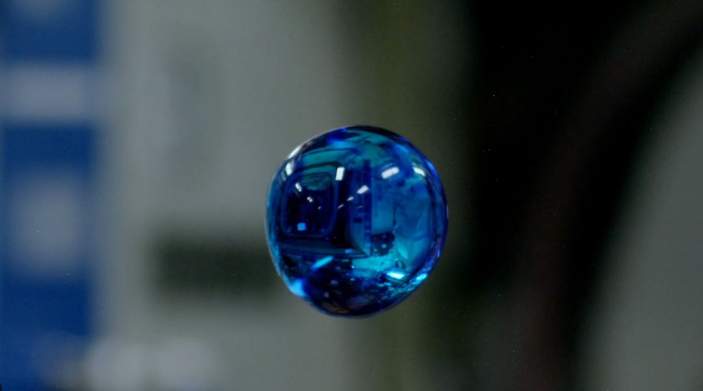 |
171 Water in Space – A Floating Sphere
In space, water does not flow like it does on Earth. Without gravity, water does not stay in a cup or pour down like a waterfall. Instead, it forms a round shape, like a floating ball.
This happens...
|
|
READING
SPEAKING
CHUNK
더빙하기
|
|
| 29 |
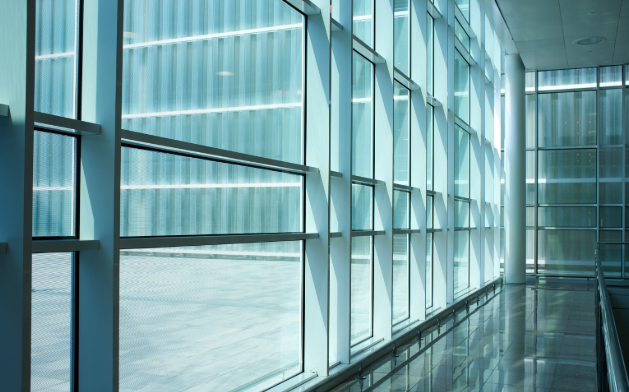 |
153 Why Is Glass Transparent?
Glass is different from many other materials because it is transparent. This means that light can pass through it. But why does this happen?
Glass is made from sand, which contains tiny particles c...
|
|
READING
SPEAKING
CHUNK
더빙하기
|
|
| 30 |
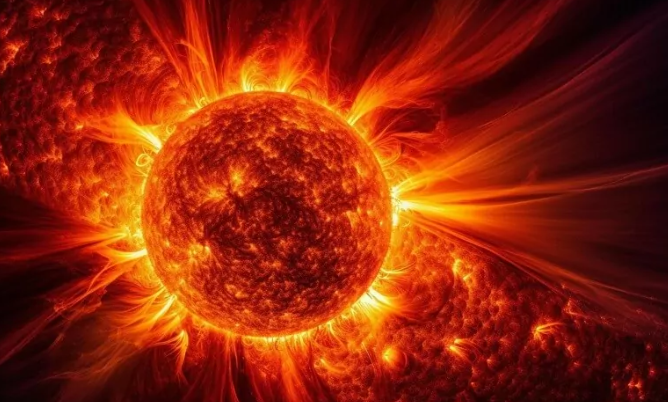 |
151 Why Does the Sun Shine Hot?
The Sun shines brightly and gives off heat because of a special process called nuclear fusion. This reaction happens deep inside the Sun, where it is extremely hot and full of pressure.
The Sun is ...
|
|
READING
SPEAKING
CHUNK
더빙하기
|
|
| 31 |
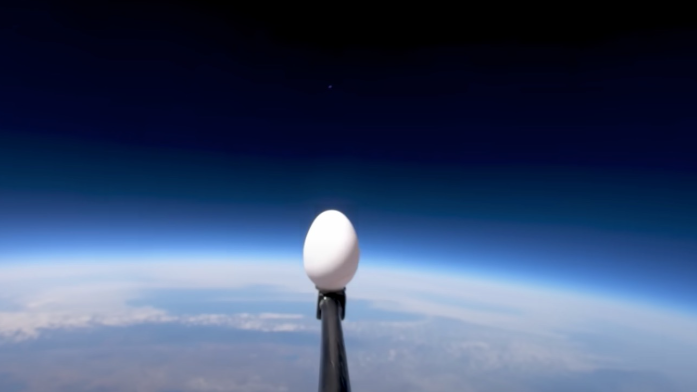 |
152 Can You Break an Egg in Space?
On Earth, when you crack an egg, the shell breaks into pieces, and the egg white and yolk spill out. This happens because of gravity and air pressure. But in space, things are different.
In space, ...
|
|
READING
SPEAKING
CHUNK
더빙하기
|
|
| 32 |
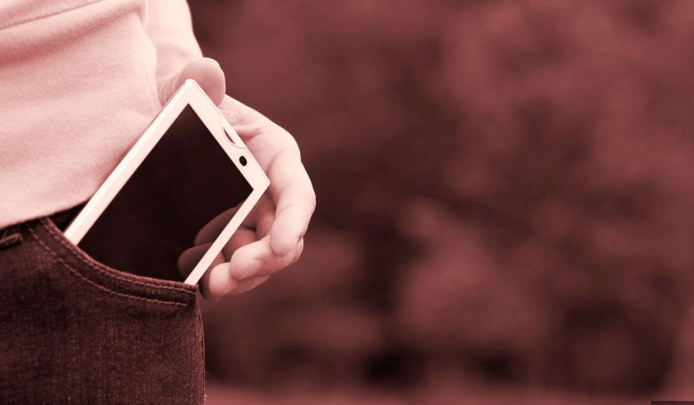 |
150 Why Does a Phone Vibrate?
When a phone vibrates, it is because of a small device inside called a vibration motor. This motor spins very fast and creates tiny shaking movements.
The vibration motor has a small, unbalanced we...
|
|
READING
SPEAKING
CHUNK
더빙하기
|
|
| 33 |
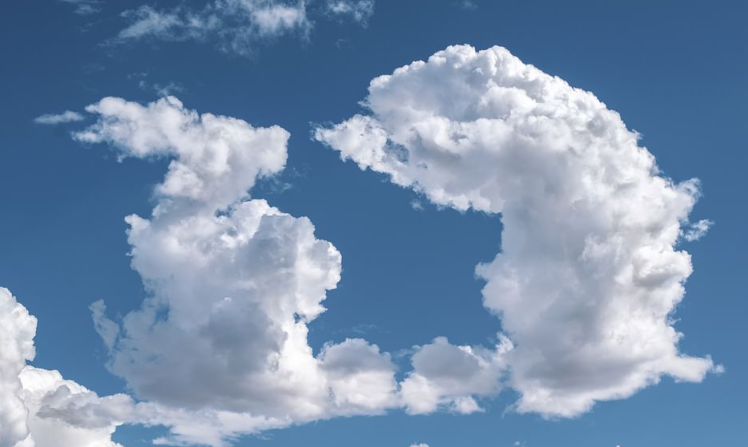 |
165 How Does Water Rise and Become Clouds?
Water in lakes, rivers, and oceans does not stay in one place. It moves through a process called the water cycle. One important part of this cycle is evaporation, where water turns into gas and rises ...
|
|
READING
SPEAKING
CHUNK
더빙하기
|
|
| 34 |
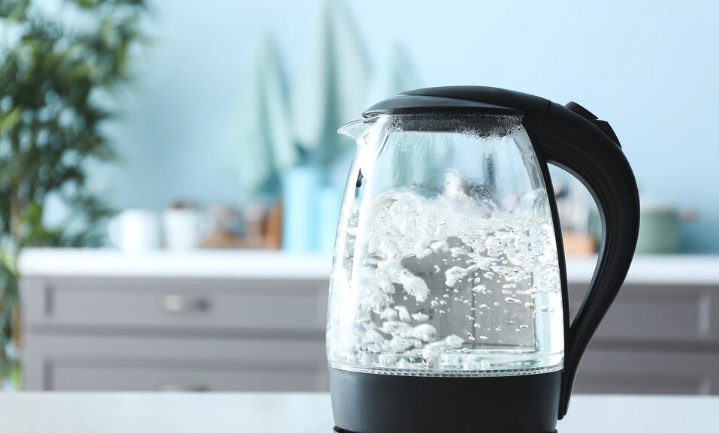 |
168 Does Water Boil in Space?
On Earth, water boils at 100°C at normal air pressure. But in space, things work differently. Because space is a vacuum, water can boil at a much lower temperature.
Boiling happens when water mole...
|
|
READING
SPEAKING
CHUNK
더빙하기
|
|
| 35 |
 |
153 Why Does Cola Have a Fizzy Taste?
Cola and other fizzy drinks taste sharp and bubbly because they contain carbon dioxide gas (CO₂). This gas is dissolved in water under high pressure, creating carbonated water.
When you open a bo...
|
|
READING
SPEAKING
CHUNK
더빙하기
|
|
| 36 |
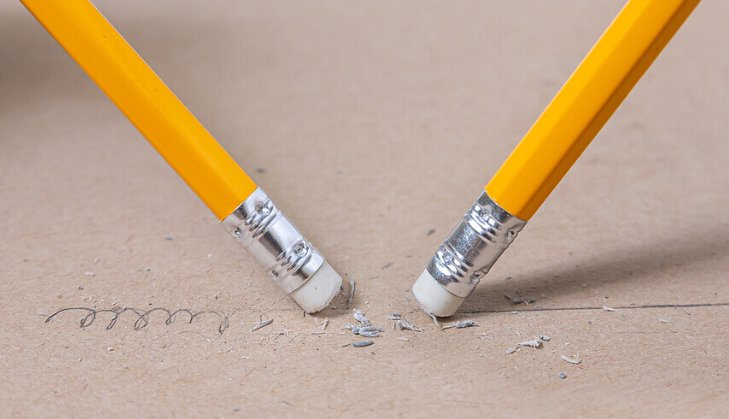 |
149 How Does an Eraser Remove Pencil Marks?
When you write with a pencil, the tip leaves graphite particles on the paper. These particles stick to the rough surface of the paper, creating visible marks.
An eraser works by grabbing and liftin...
|
|
READING
SPEAKING
CHUNK
더빙하기
|
|
| 37 |
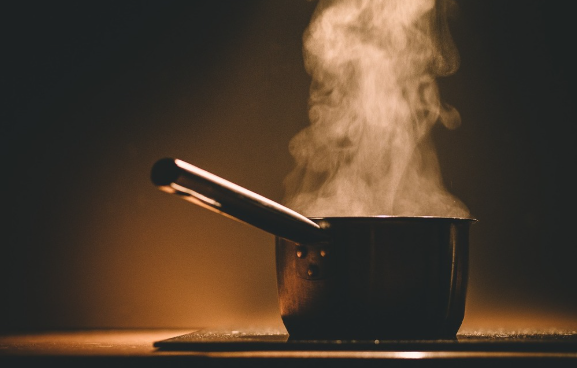 |
160 Why Does Steam Rise from Hot Food?
When food is hot, you can see steam rising from it. This happens because heat changes the water inside the food into a gas, which then spreads into the air.
Food contains moisture, or tiny water pa...
|
|
READING
SPEAKING
CHUNK
더빙하기
|
|
| 38 |
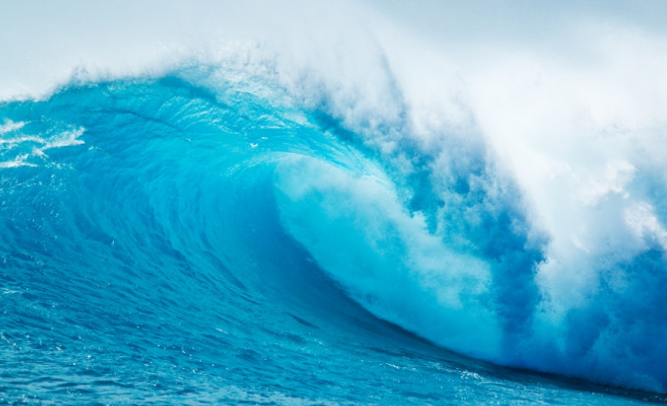 |
160 Why Is the Ocean Blue?
Water has no color, but the ocean looks blue because it reflects the blue light from the sun. This happens because of the way light moves through water.
Sunlight is made up of many colors, includin...
|
|
READING
SPEAKING
CHUNK
더빙하기
|
|