|
| |
|
|
|
|
| 1 |
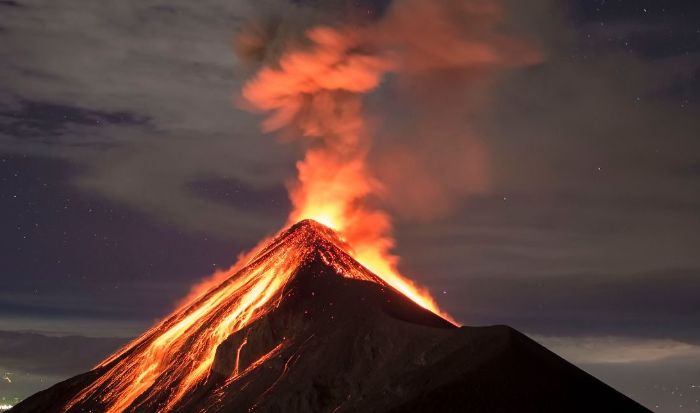 |
149 Why Do Volcanoes Erupt?
A volcano erupts when hot magma from inside the Earth reaches the surface. This happens because of the intense heat and pressure deep underground.
The Earth’s interior is made up of molten rock, ...
|
|
READING
SPEAKING
CHUNK
더빙하기
|
|
| 2 |
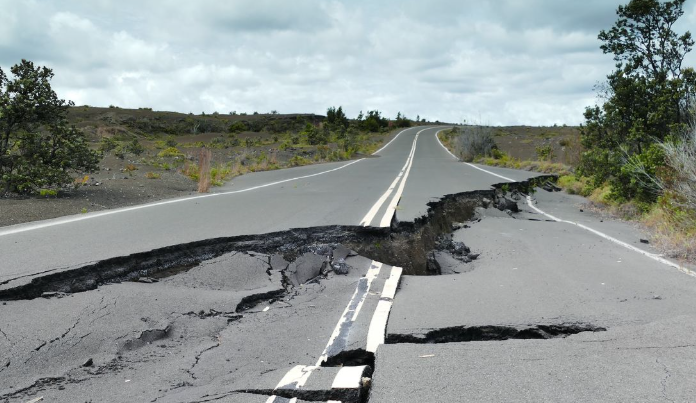 |
152 Why Do Earthquakes Happen?
Earthquakes happen when the Earth’s crust moves or collides. The Earth’s surface is made up of large pieces called tectonic plates, which slowly move all the time. Sometimes, these plates push aga...
|
|
READING
SPEAKING
CHUNK
더빙하기
|
|
| 3 |
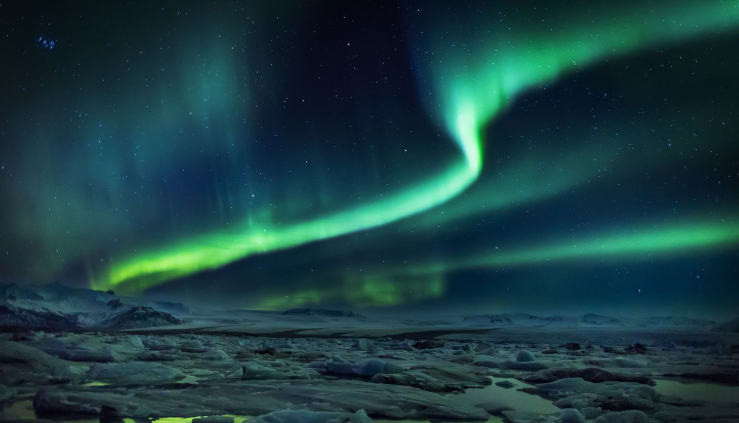 |
167 Why Do Auroras Appear?
Auroras are beautiful lights that appear in the sky near the North and South Poles. They happen when particles from the Sun collide with Earth’s atmosphere, creating glowing colors.
The Sun const...
|
|
READING
SPEAKING
CHUNK
더빙하기
|
|
| 4 |
 |
146 The Cause of Deadly Tsunamis
Tsunamis are giant ocean waves that can destroy cities and flood coastal areas. These powerful waves form when an earthquake or volcanic eruption happens under the sea.
The ocean floor is made of l...
|
|
READING
SPEAKING
CHUNK
더빙하기
|
|
| 5 |
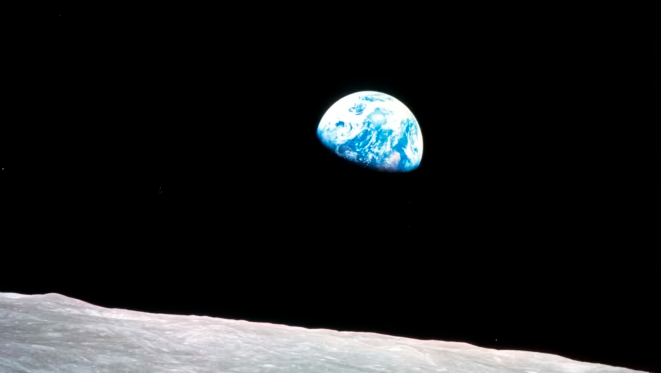 |
171 Proof That the Earth Is Round
Long ago, people wondered if the Earth was flat or round. Over time, many proofs showed that the Earth is actually a sphere. Two strong pieces of evidence come from exploration and the Moon’s shadow...
|
|
READING
SPEAKING
CHUNK
더빙하기
|
|
| 6 |
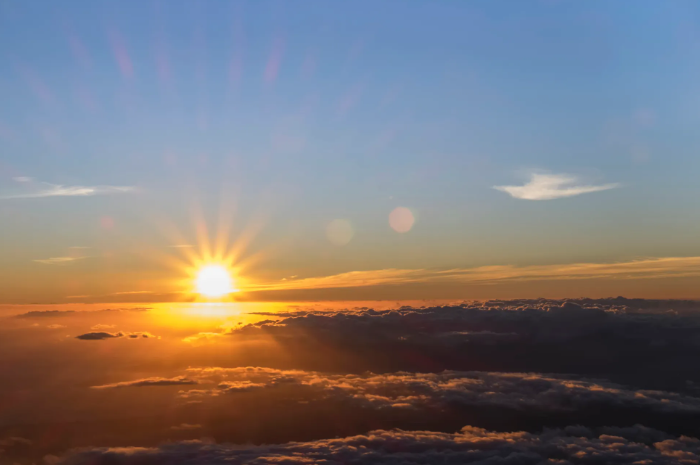 |
165 Why Does the Sun Rise and Set?
Every day, the Sun rises in the east and sets in the west. It looks like the Sun is moving across the sky, but in reality, it is the Earth that is moving. The Sun appears to rise and set because the E...
|
|
READING
SPEAKING
CHUNK
더빙하기
|
|
| 7 |
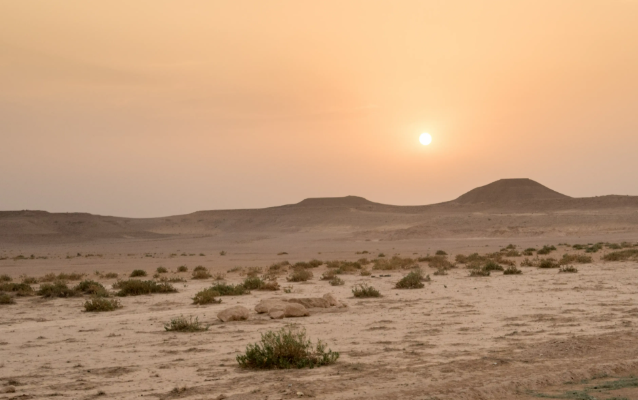 |
142 Why Do Deserts Form?
Deserts are dry and sandy places with very little rain. They form in areas where almost no water reaches the ground. Without rain, plants cannot grow well, and only sand and rocks remain.
Most dese...
|
|
READING
SPEAKING
CHUNK
더빙하기
|
|
| 8 |
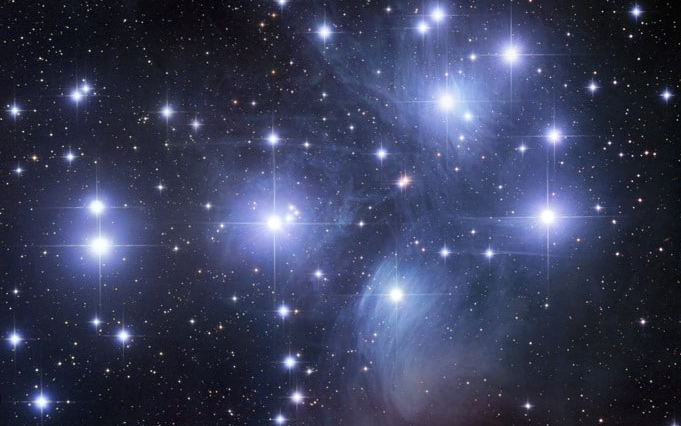 |
157 Why Do Stars Twinkle?
When we look at the night sky, the stars seem to twinkle. However, stars do not actually change their brightness. They appear to twinkle because of the way Earth’s atmosphere affects their light.
...
|
|
READING
SPEAKING
CHUNK
더빙하기
|
|
| 9 |
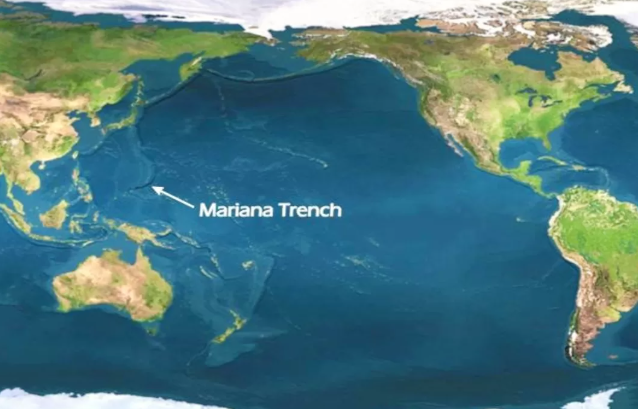 |
205 What Is the Deepest Ocean on Earth?
The deepest part of the ocean is the Mariana Trench, located in the Pacific Ocean. It reaches a depth of about 11 kilometers, which is deeper than Mount Everest is tall. If you dropped Mount Everest i...
|
|
READING
SPEAKING
CHUNK
더빙하기
|
|
| 10 |
 |
143 How Is Diamond, Harder Than Metal, Formed?
Diamonds are one of the hardest materials on Earth. They are made deep underground, where extreme pressure and heat change carbon into crystals.
Diamonds form about 150 to 200 kilometers below the ...
|
|
READING
SPEAKING
CHUNK
더빙하기
|
|
| 11 |
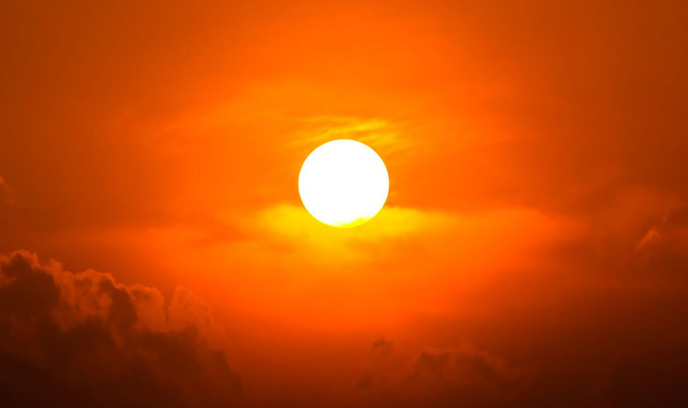 |
205 Will the Sun Disappear One Day?
The Sun will not shine forever. In about 5 billion years, it will slowly change and eventually become a white dwarf, a small, dim star.
Right now, the Sun is a main-sequence star, burning hydrogen ...
|
|
READING
SPEAKING
CHUNK
더빙하기
|
|
| 12 |
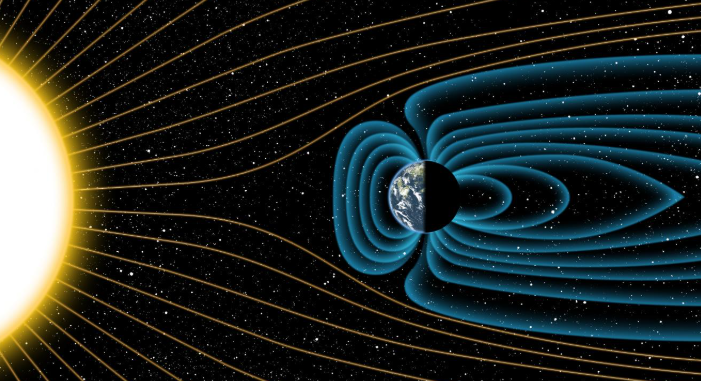 |
222 Why Does Earth Have a Magnetic Field?
Earth has a magnetic field that protects us from harmful space radiation. This invisible shield is created by the movement of liquid metal deep inside the planet.
At Earth’s center, there is a so...
|
|
READING
SPEAKING
CHUNK
더빙하기
|
|
| 13 |
 |
238 Why Are the North and South Poles Always Frozen?
The North Pole and South Pole are the coldest places on Earth. They stay frozen because they do not receive much heat from the Sun. This happens because sunlight reaches them at a slanted angle instea...
|
|
READING
SPEAKING
CHUNK
더빙하기
|
|
| 14 |
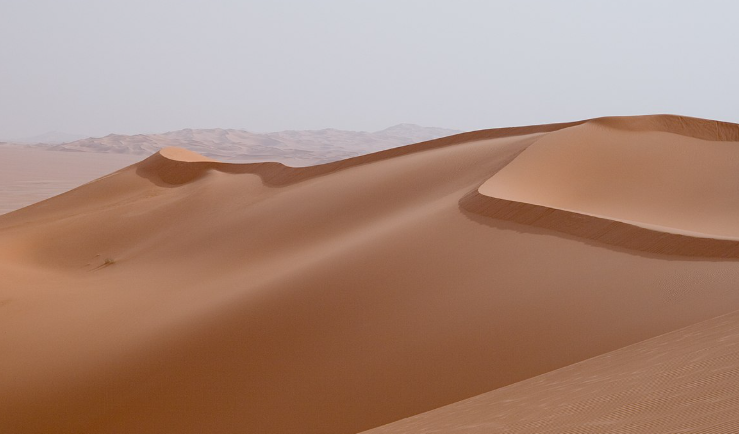 |
218 How Is Sand Made?
Sand is made when rocks break down into tiny grains over a long period of time. This happens because of water, wind, and temperature changes that slowly wear away the surface of rocks.
When rainwat...
|
|
READING
SPEAKING
CHUNK
더빙하기
|
|
| 15 |
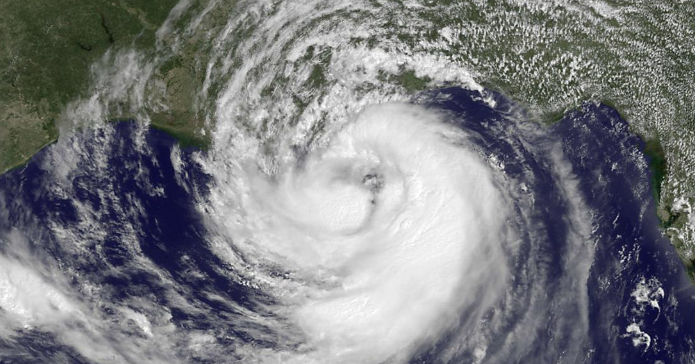 |
226 What Is the Difference Between a Typhoon and a Hur...
Typhoons and hurricanes are the same weather phenomenon, but they have different names depending on where they occur. In the Pacific Ocean, they are called typhoons, while in the Atlantic Ocean, they ...
|
|
READING
SPEAKING
CHUNK
더빙하기
|
|
| 16 |
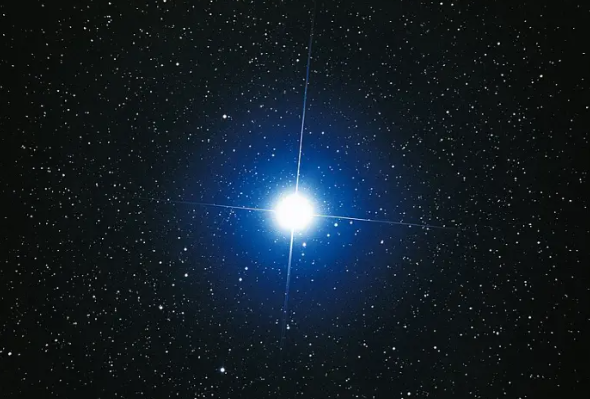 |
233 The Brightest Star in the Night Sky
Sirius is the brightest star in the night sky. It is part of the Canis Major constellation. People call it the "Dog Star" because it belongs to the Great Dog. Sirius shines so brightly because it is v...
|
|
READING
SPEAKING
CHUNK
더빙하기
|
|
| 17 |
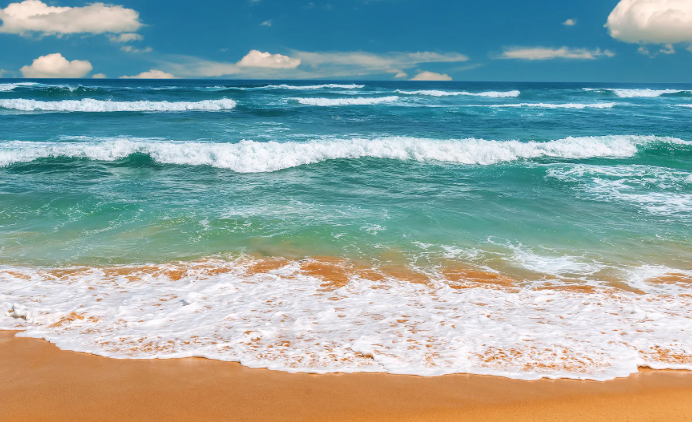 |
248 Why Do Tides Happen?
The ocean is always moving. Sometimes, the water level rises and covers the shore. Other times, it lowers and reveals more land. This movement is called the tide. The high water is called high tide, a...
|
|
READING
SPEAKING
CHUNK
더빙하기
|
|
| 18 |
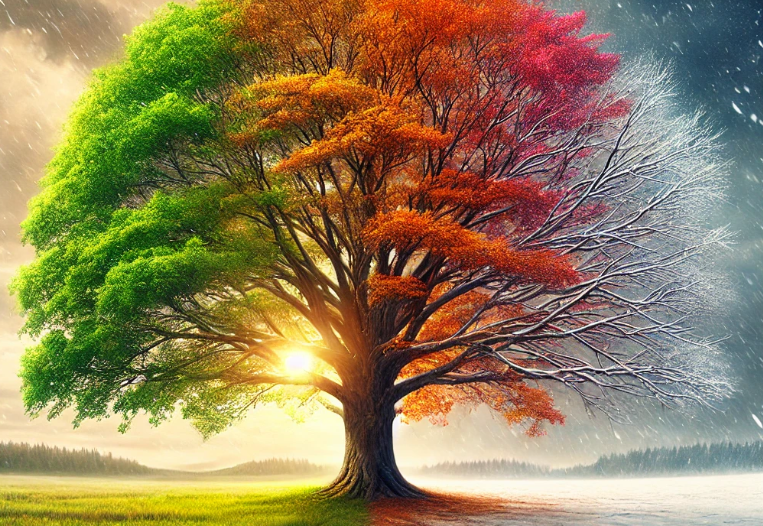 |
237 Why Do Seasons Change?
Seasons change because Earth is tilted as it orbits the Sun. Earth’s axis is tilted at an angle of 23.5 degrees. This tilt causes different parts of Earth to receive different amounts of sunlight th...
|
|
READING
SPEAKING
CHUNK
더빙하기
|
|
| 19 |
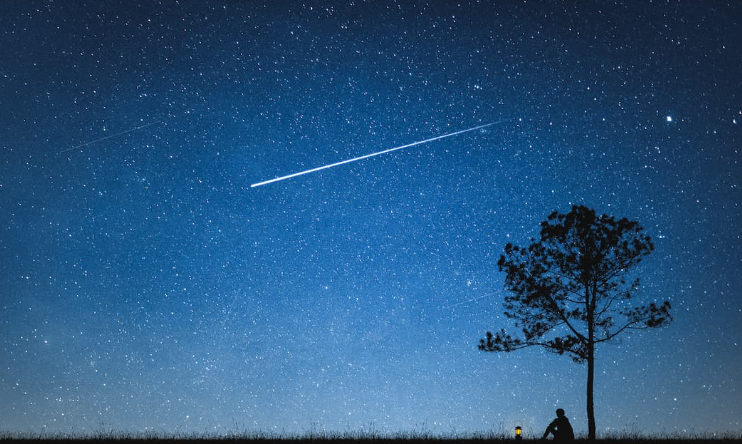 |
236 Are Shooting Stars Real Stars?
A shooting star looks like a bright streak in the night sky. It flashes for a moment and then disappears. Many people think it is a real star falling, but that is not true. A shooting star is not a st...
|
|
READING
SPEAKING
CHUNK
더빙하기
|
|
| 20 |
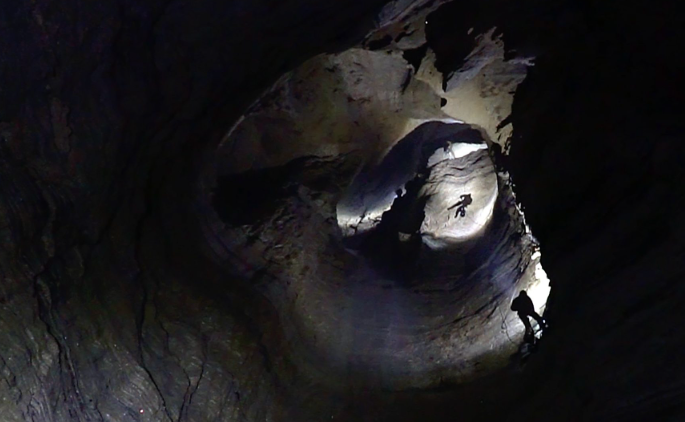 |
208 The Deepest Cave on Earth
Deep underground, hidden from sunlight, lies the deepest cave on Earth. It is called Veryovkina Cave, and it is over 2,000 meters deep. This cave is located in Georgia, a country in Eastern Europe. It...
|
|
READING
SPEAKING
CHUNK
더빙하기
|
|
| 21 |
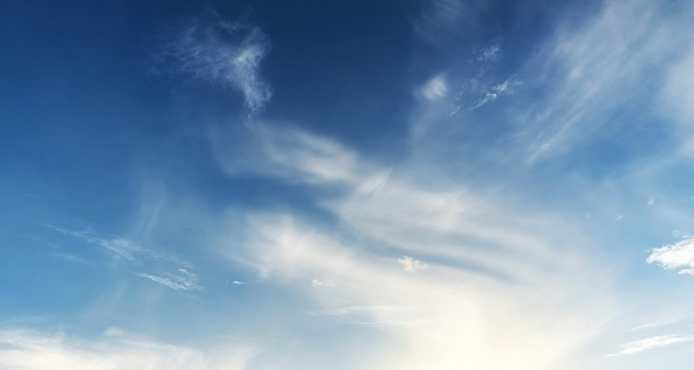 |
229 Does Air Have Weight?
Air is invisible, and we do not feel its weight. But air does have weight. Even though we cannot see it, air is made of tiny particles. These particles have mass, and together, they create weight. We ...
|
|
READING
SPEAKING
CHUNK
더빙하기
|
|
| 22 |
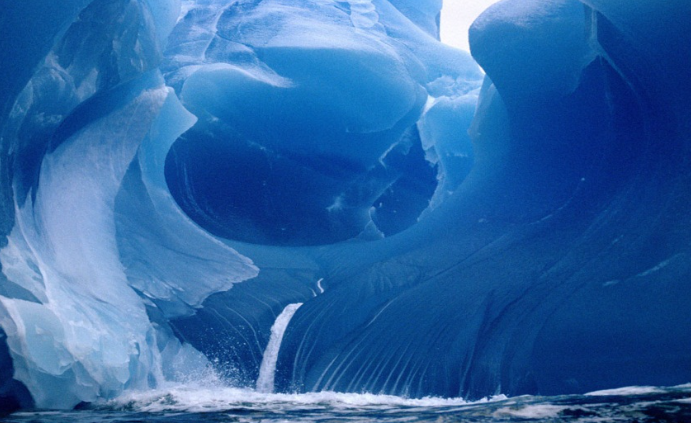 |
212 A Hidden Lake Beneath the Ice
Deep beneath the thick ice of Antarctica, there is a hidden world. Scientists have discovered massive lakes trapped under the ice. These lakes are as large as seas and have been sealed away for millio...
|
|
READING
SPEAKING
CHUNK
더빙하기
|
|
| 23 |
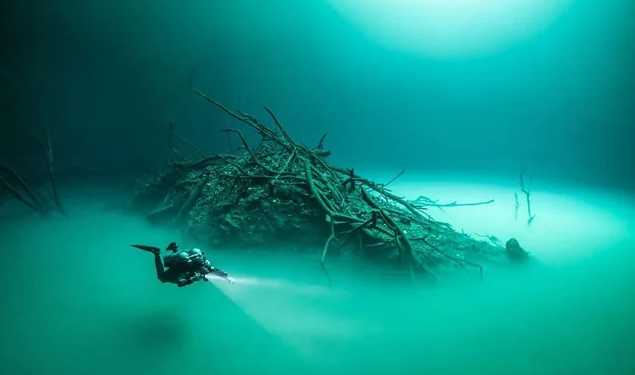 |
199 Do Rivers Flow Under the Sea?
It may seem strange, but rivers can flow under the ocean. These underwater rivers form because of differences in salinity (salt levels) in the water. When seawater with different salt concentrations m...
|
|
READING
SPEAKING
CHUNK
더빙하기
|
|
| 24 |
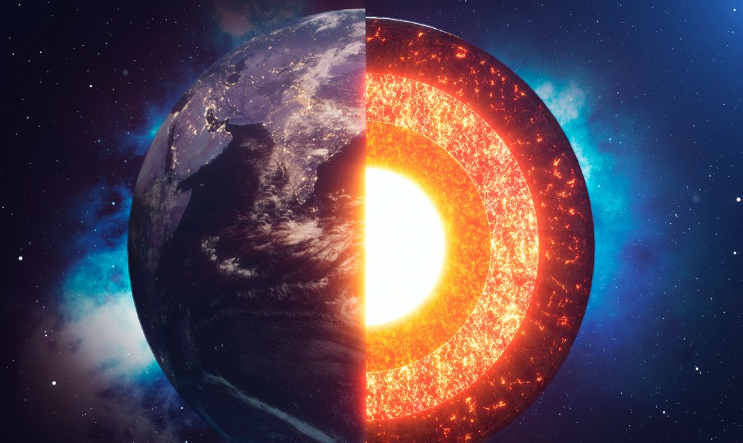 |
212 What Is Earth’s Core Made Of?
Deep beneath Earth’s surface lies its core, the hottest and densest part of the planet. Scientists believe Earth’s core is mostly made of iron and nickel. These metals exist in an extremely hot, l...
|
|
READING
SPEAKING
CHUNK
더빙하기
|
|
| 25 |
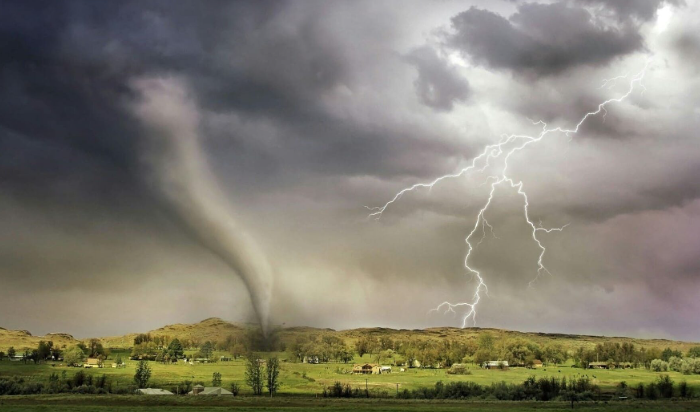 |
200 How Fast Is the Strongest Wind on Earth?
Winds on Earth can be very strong, but the fastest winds ever recorded come from tornadoes. In extreme cases, tornado winds can reach speeds of over 135 meters per second (480 km/h). This is powerful ...
|
|
READING
SPEAKING
CHUNK
더빙하기
|
|
| 26 |
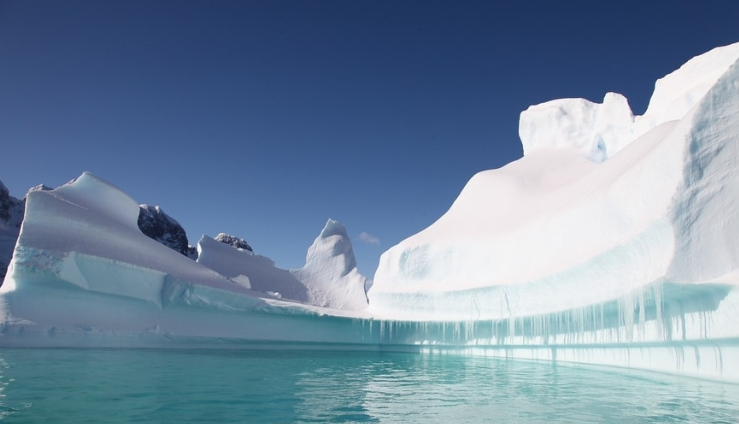 |
219 Which Is Colder, the North Pole or the South Pole?...
The South Pole is much colder than the North Pole. While both places are extremely cold, Antarctica, where the South Pole is located, has the lowest temperatures on Earth. The average temperature in A...
|
|
READING
SPEAKING
CHUNK
더빙하기
|
|
| 27 |
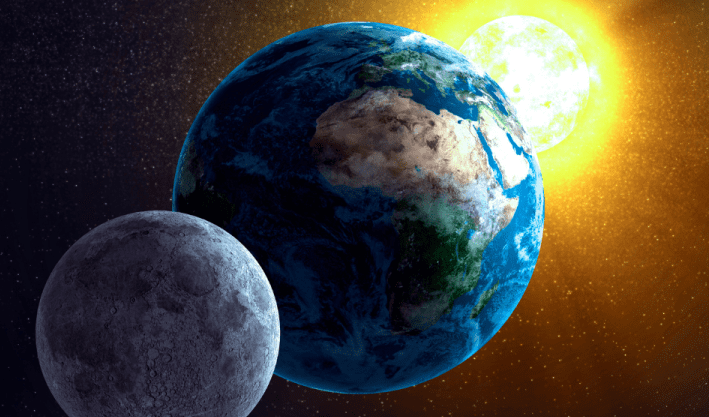 |
221 How Fast Does Earth Rotate in a Day?
Earth is always spinning, even though we do not feel it. The speed of Earth’s rotation is about 460 meters per second (1,670 km/h) at the equator. This means that in one day, Earth completes one ful...
|
|
READING
SPEAKING
CHUNK
더빙하기
|
|
| 28 |
 |
197 What Happens to Water Without Gravity?
On Earth, gravity pulls water downward, making it flow into rivers, lakes, and oceans. But in space, where there is no gravity, water behaves very differently. Instead of falling or spreading out, wat...
|
|
READING
SPEAKING
CHUNK
더빙하기
|
|
| 29 |
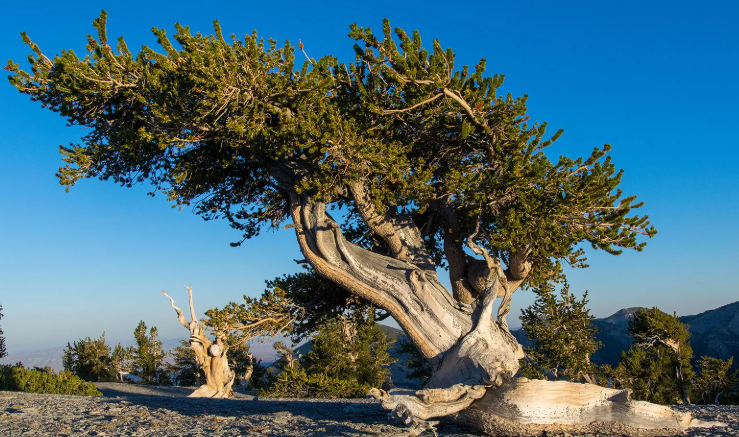 |
195 How Old Is the Oldest Tree on Earth?
The oldest tree in the world is a Bristlecone pine that is about 4,800 years old. This ancient tree, named Methuselah, is located in the White Mountains of California, USA. It has survived thousands o...
|
|
READING
SPEAKING
CHUNK
더빙하기
|
|
| 30 |
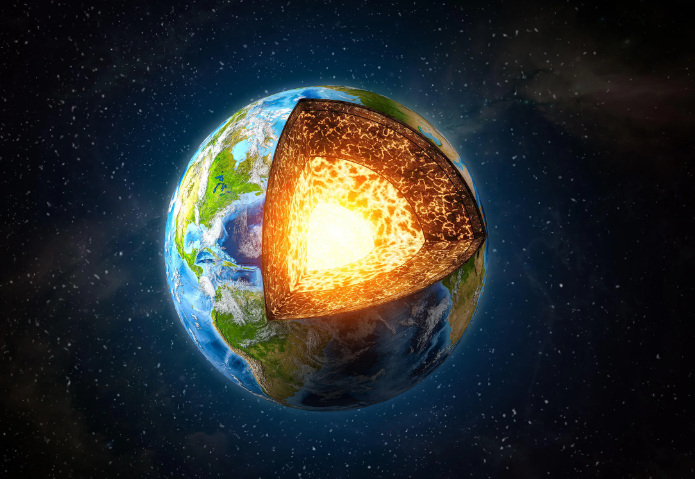 |
206 How Hot Is Earth’s Core?
Deep beneath our feet, Earth’s core is as hot as the surface of the Sun. Scientists estimate that the temperature at Earth’s center reaches about 6,000°C.
Earth’s core is divided into two la...
|
|
READING
SPEAKING
CHUNK
더빙하기
|
|
| 31 |
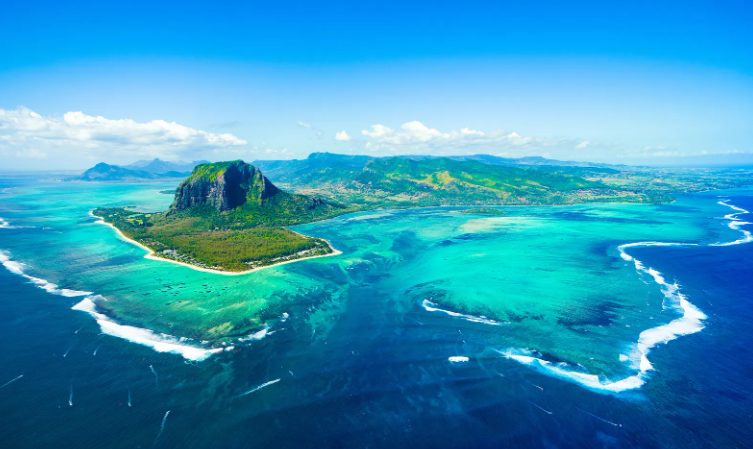 |
196 What Is the Biggest Waterfall on Earth?
When we think of waterfalls, we usually imagine tall cliffs with water rushing down. However, the biggest waterfall on Earth is actually under the ocean! It is called the Denmark Strait Cataract, and ...
|
|
READING
SPEAKING
CHUNK
더빙하기
|
|
| 32 |
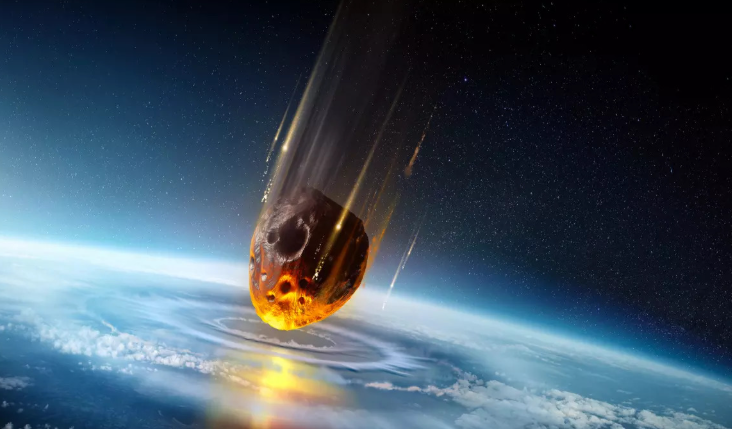 |
220 What Happens If a Meteorite Falls into the Ocean?
Every day, small meteorites enter Earth’s atmosphere. Most of them burn up before reaching the ground. But what if a large meteorite falls into the ocean?
If a big enough meteorite crashes into t...
|
|
READING
SPEAKING
CHUNK
더빙하기
|
|
| 33 |
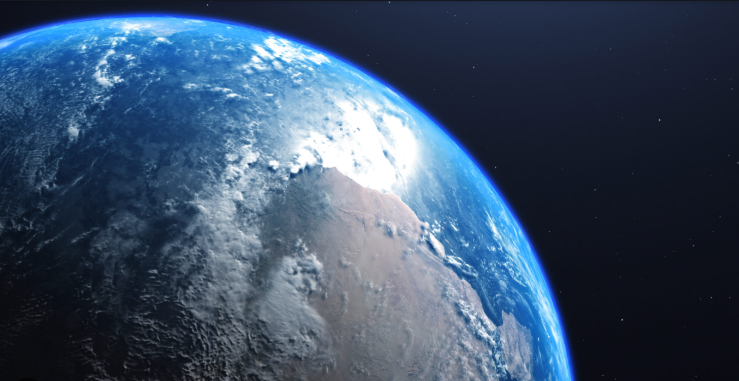 |
199 How Far Does Air Extend?
Earth’s atmosphere does not suddenly end—it gradually becomes thinner as you go higher. However, scientists consider the boundary between Earth's atmosphere and space to be about 100 km above the ...
|
|
READING
SPEAKING
CHUNK
더빙하기
|
|
| 34 |
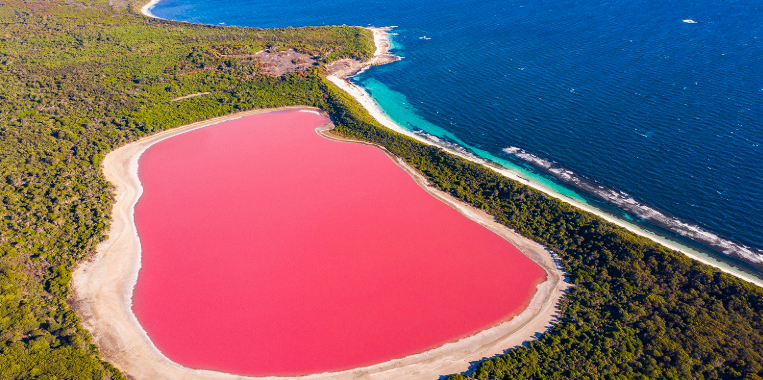 |
208 Why Are Some Lakes Pink?
Some lakes around the world have a beautiful pink color. Unlike regular blue lakes, these pink lakes look like something from a dream. But why do they turn pink? The answer lies in microorganisms and ...
|
|
READING
SPEAKING
CHUNK
더빙하기
|
|
| 35 |
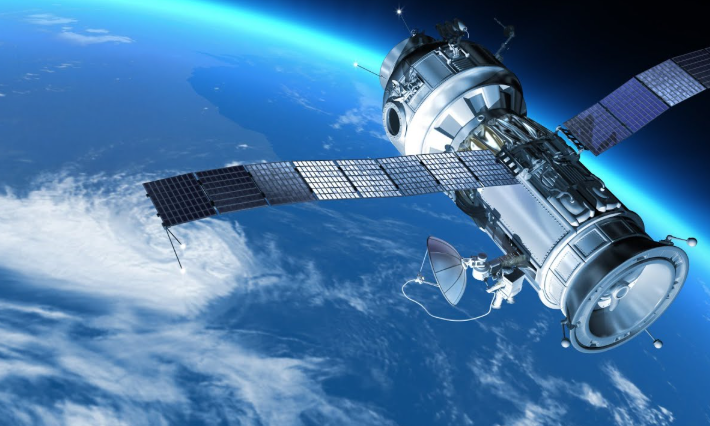 |
231 How Do Satellites Orbit Earth?
Satellites stay in orbit around Earth because of a balance between gravity and speed. Earth’s gravity pulls the satellite inward, while the satellite’s velocity (speed and direction) keeps it movi...
|
|
READING
SPEAKING
CHUNK
더빙하기
|
|
| 36 |
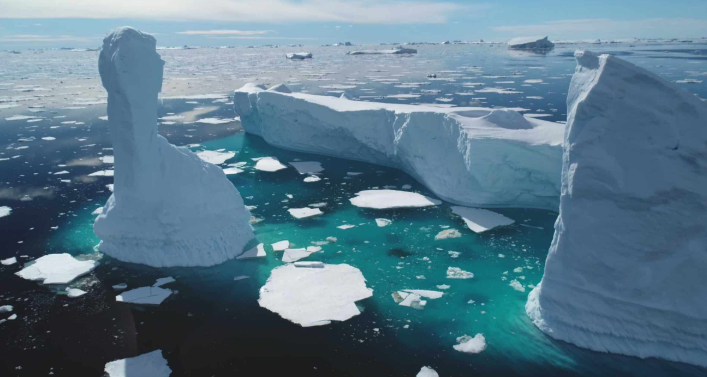 |
241 The Melting Glaciers and Our Earth
Glaciers are large masses of ice that have existed for thousands of years. They are found in the Arctic, Antarctica, and high mountains. But because of climate change, many glaciers are melting. This ...
|
|
READING
SPEAKING
CHUNK
더빙하기
|
|