|
| |
|
|
|
|
| 1 |
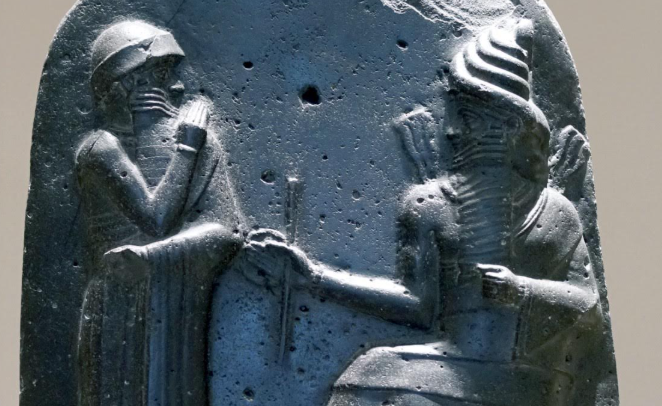 |
268 Hammurabi’s Code
Hammurabi was a king of Babylon who ruled from 1792 to 1750 BC. He is famous for creating one of the earliest known sets of written laws. This set of laws is called Hammurabi’s Code. It was written ...
|
|
READING
SPEAKING
CHUNK
더빙하기
|
|
| 2 |
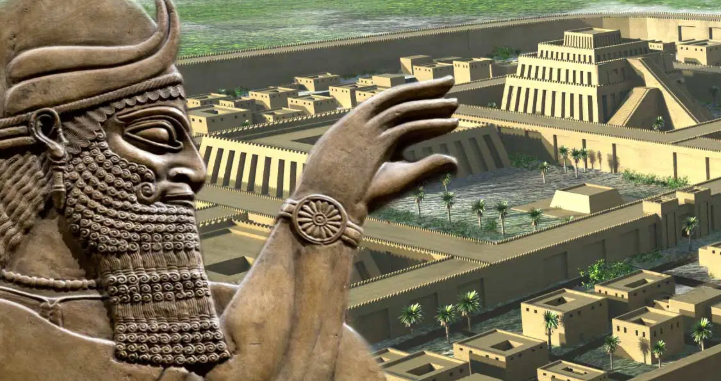 |
236 Mesopotamian Civilization
Mesopotamia is known as the birthplace of the first civilization. It was located between the Tigris and Euphrates Rivers in what is now Iraq. The name “Mesopotamia” means “the land between the r...
|
|
READING
SPEAKING
CHUNK
더빙하기
|
|
| 3 |
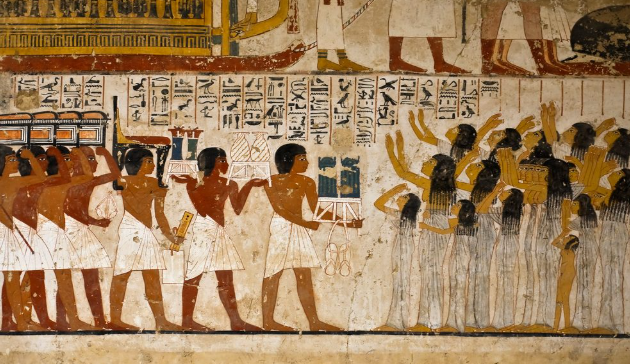 |
269 The Rise of Egyptian Civilization
Ancient Egypt was one of the first great civilizations. It grew along the Nile River, which gave people water, food, and a way to travel. The river flooded every year, making the land rich for farming...
|
|
READING
SPEAKING
CHUNK
더빙하기
|
|
| 4 |
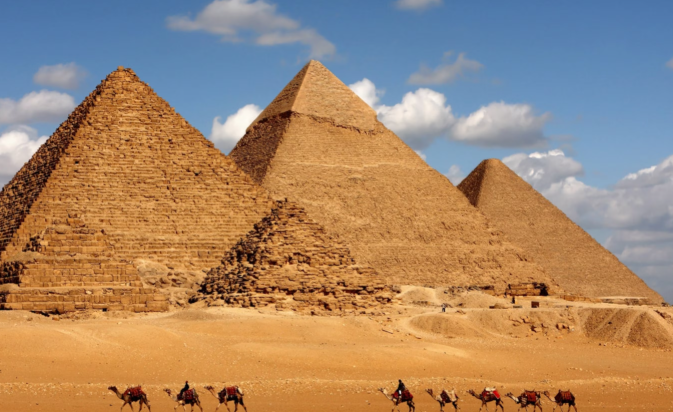 |
201 Building the Pyramids
The pyramids of Egypt are some of the most famous structures in the world. They were built thousands of years ago as tombs for the pharaohs. These great monuments showed the power of the rulers and th...
|
|
READING
SPEAKING
CHUNK
더빙하기
|
|
| 5 |
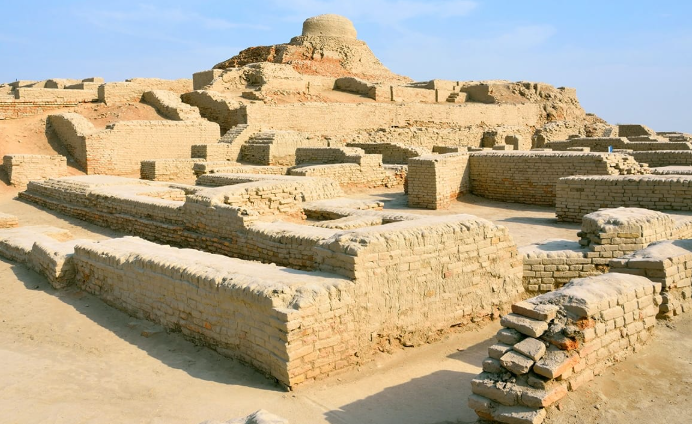 |
170 The Indus Civilization
The Indus Civilization was one of the earliest great civilizations. It developed around 2600 BC in the Indus River Valley, in what is now Pakistan and northwest India. The people built large cities, s...
|
|
READING
SPEAKING
CHUNK
더빙하기
|
|
| 6 |
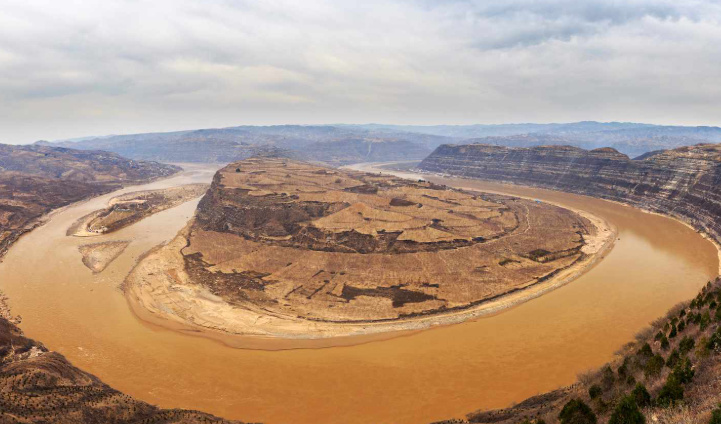 |
199 The Huanghe Civilization
The Huanghe Civilization, also called the Yellow River Civilization, was the first great civilization in China. It began around 2000 BC along the Yellow River, which provided water and fertile land. P...
|
|
READING
SPEAKING
CHUNK
더빙하기
|
|
| 7 |
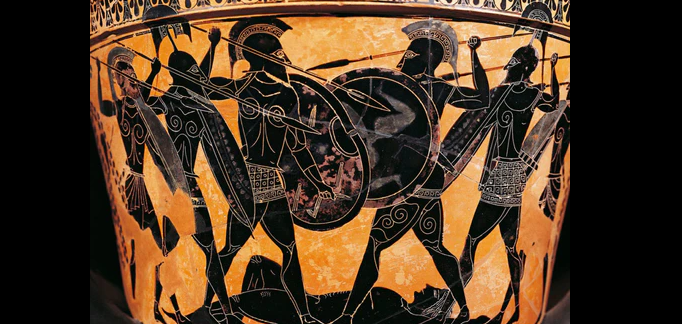 |
182 The Rise of Mycenaean Civilization
The Mycenaean Civilization was the first great civilization in Greece. It began around 1600 BC and lasted until 1100 BC. The Mycenaeans built strong cities, with Mycenae being the most famous. They we...
|
|
READING
SPEAKING
CHUNK
더빙하기
|
|
| 8 |
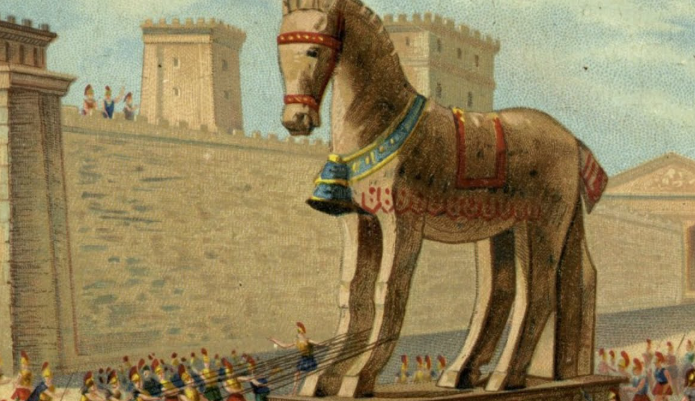 |
183 The Trojan War
The Trojan War was one of the most famous wars in history. It was fought between the Greeks and the Trojans around 1200 BC. The story of this war became the background for Homer’s great epics, The I...
|
|
READING
SPEAKING
CHUNK
더빙하기
|
|
| 9 |
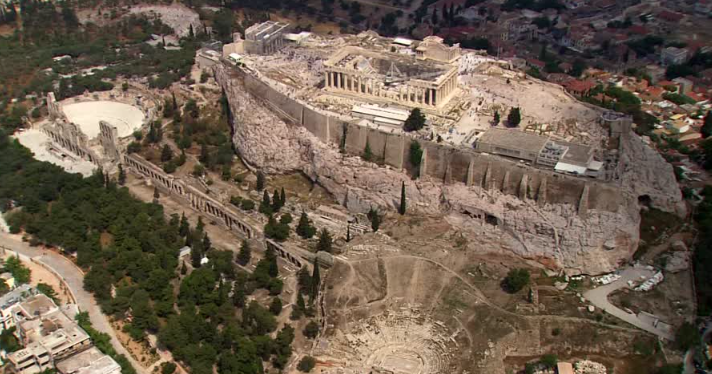 |
147 The Rise of Greek Polis
Ancient Greece was not one united country. Instead, it was made up of many small city-states, called polis. A polis was a city and its surrounding land, acting as an independent country. The two most ...
|
|
READING
SPEAKING
CHUNK
더빙하기
|
|
| 10 |
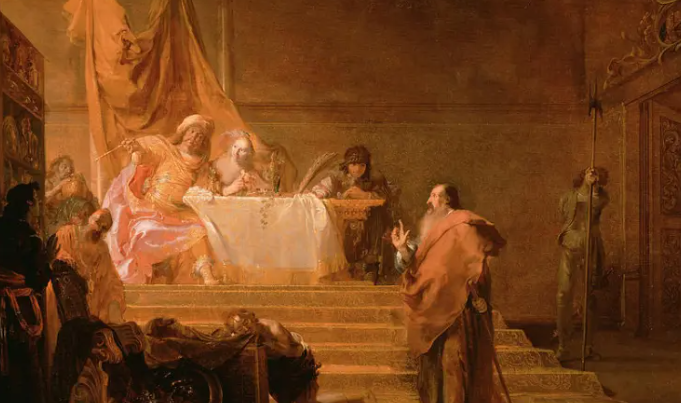 |
215 Solon’s Reforms
Solon was an important leader in ancient Athens. Around 594 BC, he introduced major reforms that helped shape Athenian democracy. Before his reforms, Athens was ruled by aristocrats, and poor farmers ...
|
|
READING
SPEAKING
CHUNK
더빙하기
|
|
| 11 |
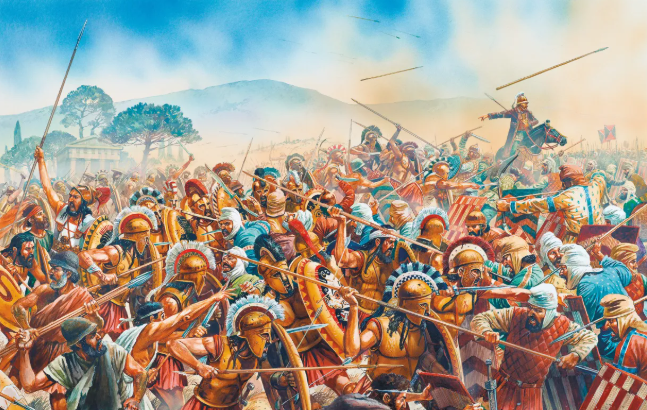 |
189 The Persian Wars
The Persian Wars were a series of battles between the Greek city-states and the Persian Empire from 499 BC to 449 BC. The wars started when Greek cities in Asia Minor, ruled by Persia, rebelled. Athen...
|
|
READING
SPEAKING
CHUNK
더빙하기
|
|
| 12 |
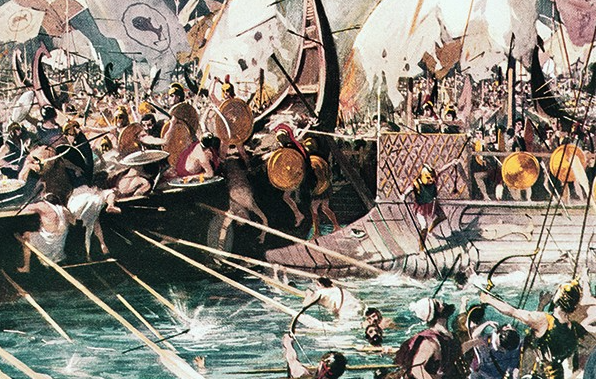 |
259 The Peloponnesian War
The Peloponnesian War was a major conflict between Athens and Sparta. It lasted from 431 BC to 404 BC and involved many Greek city-states. The war began because Athens had become very powerful after t...
|
|
READING
SPEAKING
CHUNK
더빙하기
|
|
| 13 |
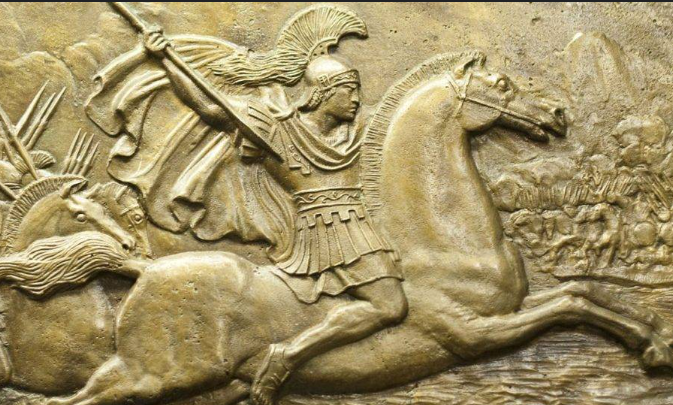 |
186 Alexander the Great’s Conquests
Alexander the Great was one of history’s greatest military leaders. He was the king of Macedonia and began his famous conquests in 334 BC. His goal was to defeat the Persian Empire and expand Greek ...
|
|
READING
SPEAKING
CHUNK
더빙하기
|
|
| 14 |
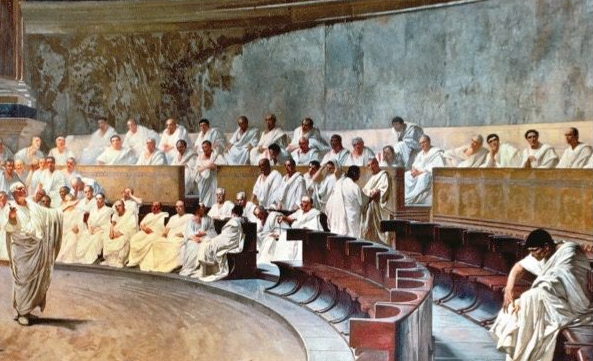 |
154 The Roman Republic
In 509 BC, the Roman people removed their last king, Tarquin the Proud. They did not want a king anymore, so they created a republic. In a republic, citizens could choose their leaders, and power was ...
|
|
READING
SPEAKING
CHUNK
더빙하기
|
|
| 15 |
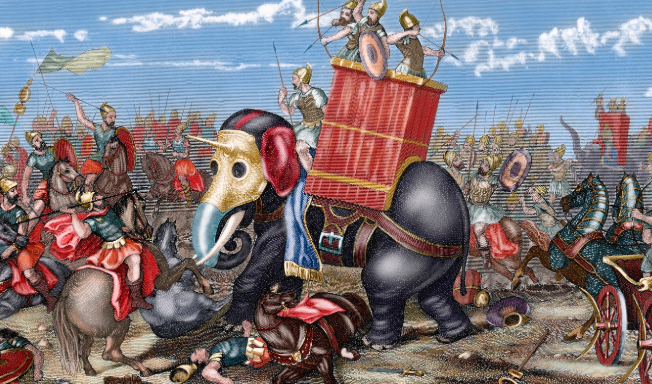 |
149 The Punic Wars
The Punic Wars were a series of three wars fought between Rome and Carthage from 264 BC to 146 BC. These wars decided which power would control the western Mediterranean. Rome and Carthage were both s...
|
|
READING
SPEAKING
CHUNK
더빙하기
|
|
| 16 |
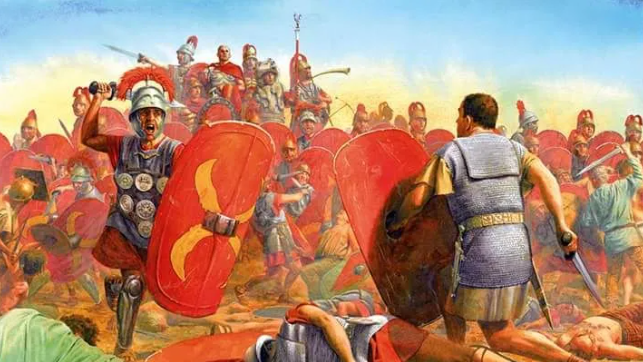 |
175 Spartacus’ Rebellion
In 73 BC, a slave named Spartacus led a great rebellion against Rome. He had been a gladiator, forced to fight for entertainment. Along with 70 other slaves, he escaped from a gladiator school and sta...
|
|
READING
SPEAKING
CHUNK
더빙하기
|
|
| 17 |
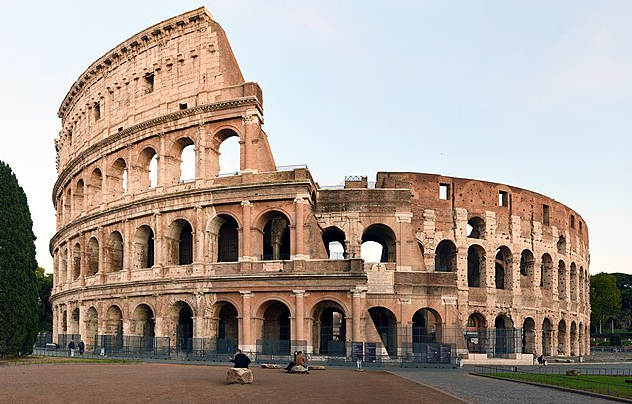 |
170 The Construction of the Colosseum
The Colosseum is one of the greatest buildings of ancient Rome. It was built between AD 70 and 80 under the emperors Vespasian and Titus. The Colosseum was an amphitheater, a large open-air stadium us...
|
|
READING
SPEAKING
CHUNK
더빙하기
|
|
| 18 |
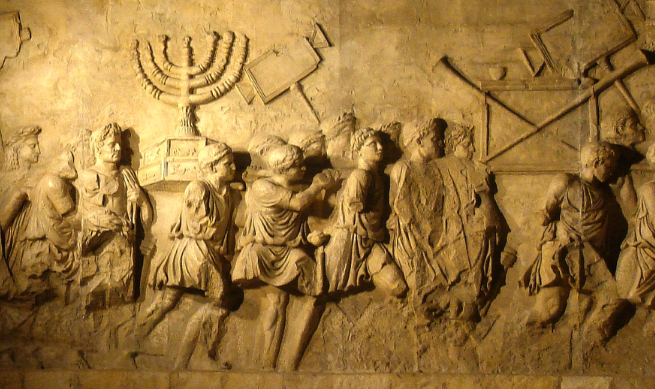 |
183 The Jewish Diaspora
The Jewish people lived in Judea for many centuries. However, in 70 AD, their lives changed forever. The Roman Empire, led by Emperor Titus, destroyed Jerusalem and its great temple. This event began ...
|
|
READING
SPEAKING
CHUNK
더빙하기
|
|
| 19 |
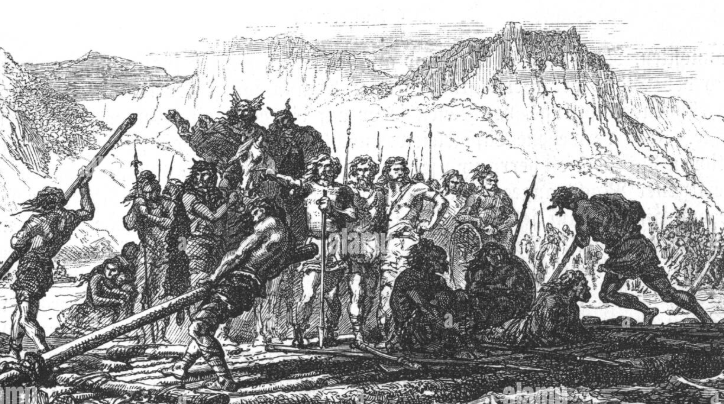 |
230 The Great Migration of the Germanic Tribes
Long ago, the Roman Empire was powerful. It ruled many lands in Europe, North Africa, and the Middle East. But by the 4th century, it had many problems. One big problem was the movement of the Germani...
|
|
READING
SPEAKING
CHUNK
더빙하기
|
|
| 20 |
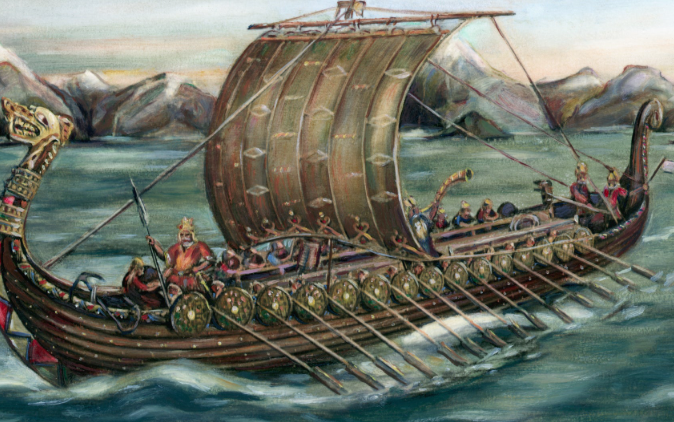 |
165 The Viking Invasions
From the 8th to 11th centuries, the Vikings, fierce warriors and skilled sailors from Scandinavia, attacked many parts of Europe. They raided villages, churches, and cities, searching for wealth and l...
|
|
READING
SPEAKING
CHUNK
더빙하기
|
|
| 21 |
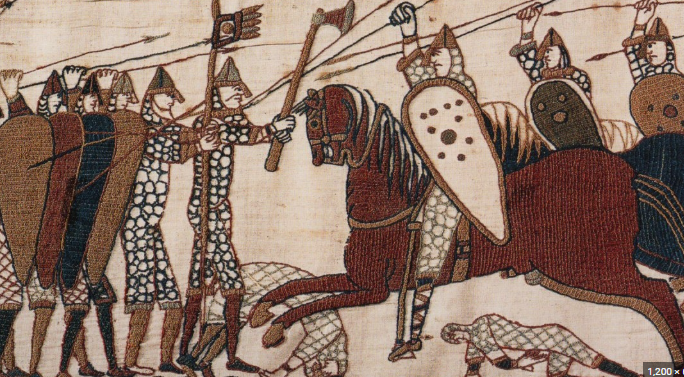 |
175 The Norman Conquest of England
In 1066, the Normans, led by William the Conqueror, invaded England and changed its history forever. The conflict began when King Edward the Confessor of England died without an heir. This led to a po...
|
|
READING
SPEAKING
CHUNK
더빙하기
|
|
| 22 |
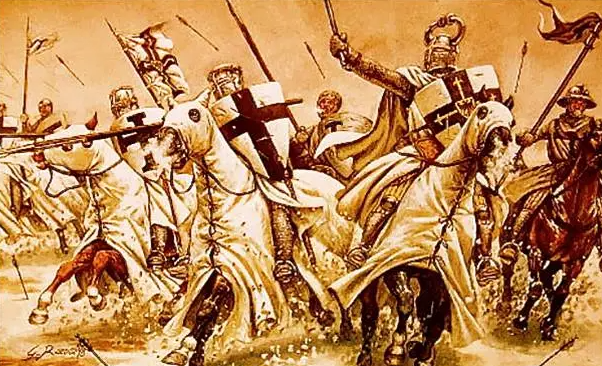 |
225 The Crusades
The Crusades were a series of wars between European Christians and Muslim forces in the Middle East. These wars took place between the 11th and 13th centuries. The main goal of the Crusades was to cap...
|
|
READING
SPEAKING
CHUNK
더빙하기
|
|
| 23 |
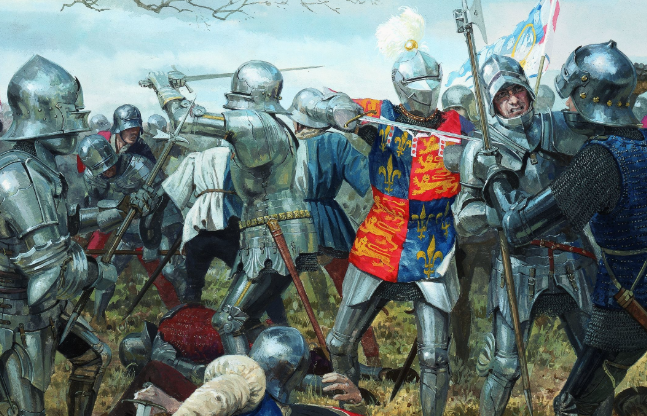 |
237 The Wars of the Roses
The Wars of the Roses were a series of battles in England from 1455 to 1487. These wars were between two powerful families: the House of Lancaster and the House of York. Both families wanted to rule E...
|
|
READING
SPEAKING
CHUNK
더빙하기
|
|
| 24 |
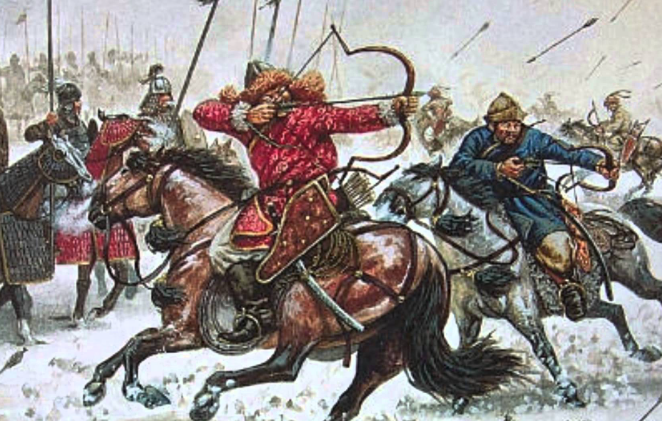 |
242 The Mongol Empire
The Mongol Empire was one of the largest empires in history. It was founded by Genghis Khan in the early 13th century. He united the Mongol tribes and started a series of conquests. His empire stretch...
|
|
READING
SPEAKING
CHUNK
더빙하기
|
|
| 25 |
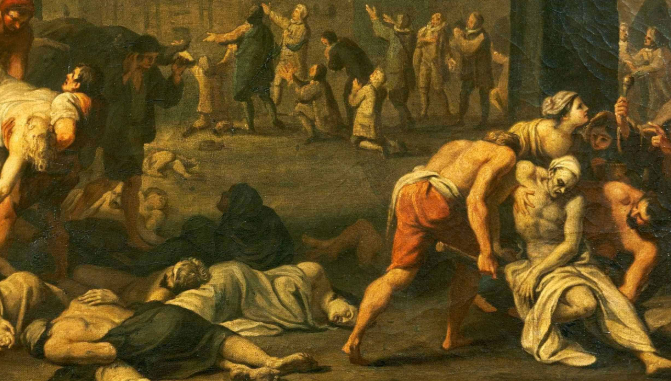 |
245 The Black Death
The Black Death was one of the deadliest diseases in history. It spread across Europe between 1347 and 1351, killing millions of people. Historians believe that the disease was caused by bacteria carr...
|
|
READING
SPEAKING
CHUNK
더빙하기
|
|
| 26 |
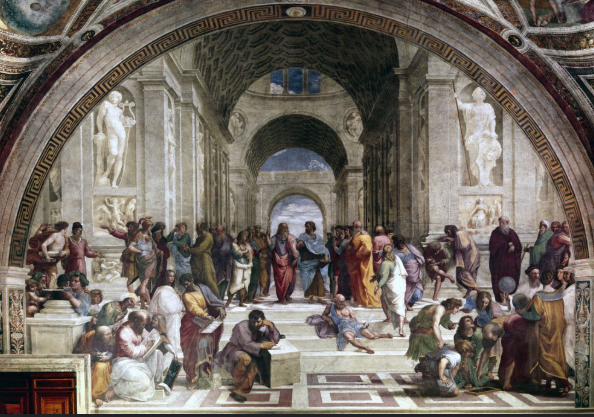 |
240 The Rise of the Renaissance
The Renaissance was a period of great change in Europe. It began in Italy in the 14th century and spread across Europe over the next 300 years. The word "Renaissance" means "rebirth" in French. This p...
|
|
READING
SPEAKING
CHUNK
더빙하기
|
|
| 27 |
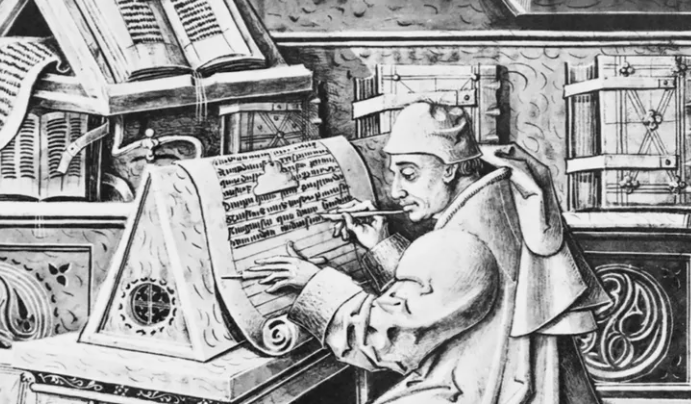 |
209 Gutenberg’s Printing Press
Johannes Gutenberg was a German inventor who changed the world with his printing press. Before his invention, books were copied by hand or printed using wooden blocks. This process was slow and expens...
|
|
READING
SPEAKING
CHUNK
더빙하기
|
|
| 28 |
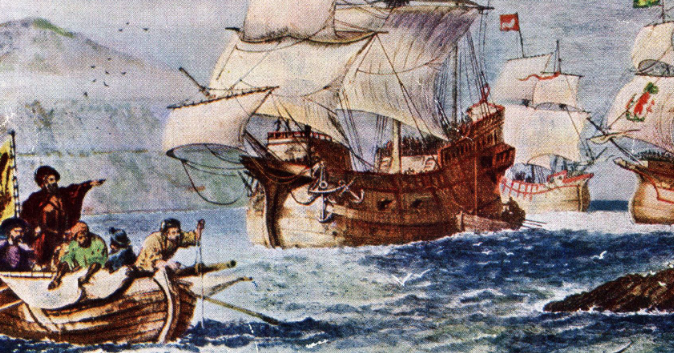 |
202 Magellan’s Voyage
Ferdinand Magellan was a Portuguese explorer who led the first voyage around the world. His journey proved that the Earth was round and much bigger than people thought. The expedition began in 1519 an...
|
|
READING
SPEAKING
CHUNK
더빙하기
|
|
| 29 |
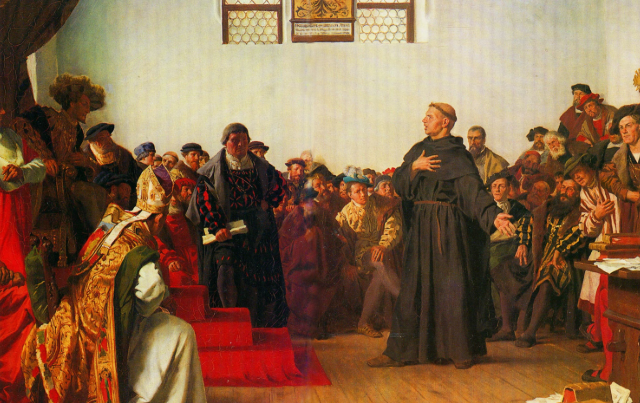 |
230 Luther’s Reformation
Martin Luther was a German priest who changed Christianity forever. In 1517, he started the Protestant Reformation, a movement against the Catholic Church. His actions led to the birth of Protestantis...
|
|
READING
SPEAKING
CHUNK
더빙하기
|
|
| 30 |
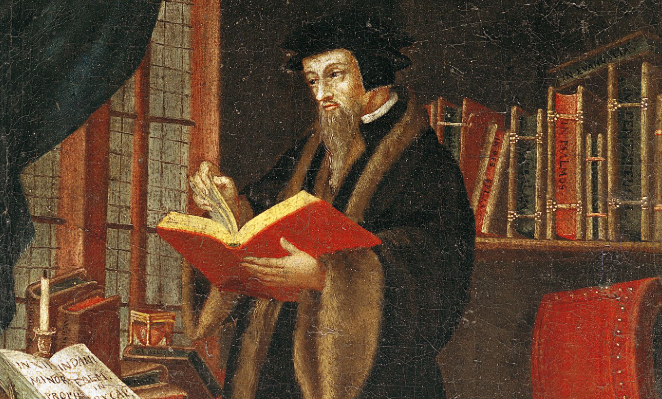 |
233 Calvin’s Reformation
John Calvin was a French theologian who played a major role in the Protestant Reformation. In the 16th century, he developed his own religious ideas, which later led to the formation of Presbyterianis...
|
|
READING
SPEAKING
CHUNK
더빙하기
|
|
| 31 |
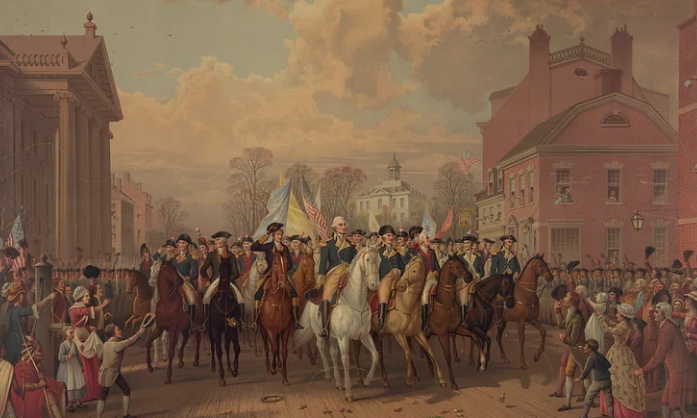 |
232 The American Revolution
The American Revolution was a war between Great Britain and its thirteen American colonies. It lasted from 1775 to 1783 and led to the creation of the United States, the world’s first modern democra...
|
|
READING
SPEAKING
CHUNK
더빙하기
|
|
| 32 |
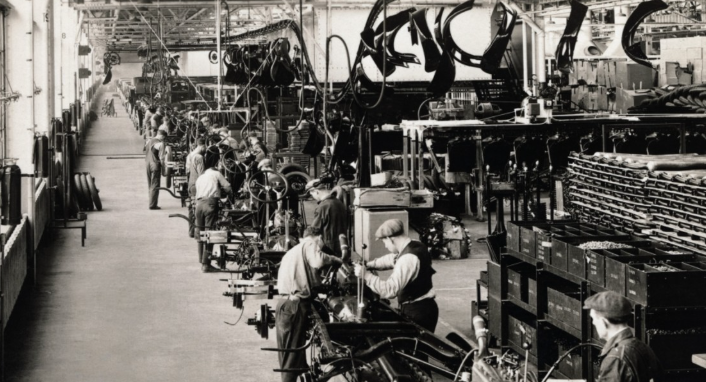 |
253 The Industrial Revolution
The Industrial Revolution was a period of great change in the 18th and 19th centuries. It began in Britain and spread to other parts of the world. This revolution transformed how people worked, lived,...
|
|
READING
SPEAKING
CHUNK
더빙하기
|
|
| 33 |
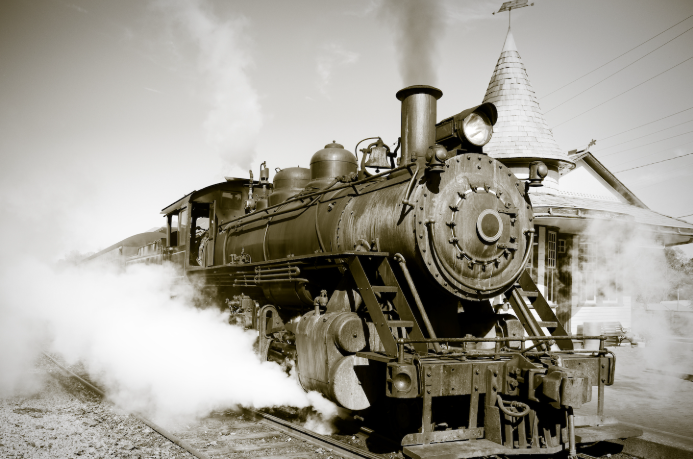 |
202 The Invention of the Steam Engine
The steam engine was one of the most important inventions in history. It played a key role in the Industrial Revolution, helping industries grow and transforming transportation. The steam engine made ...
|
|
READING
SPEAKING
CHUNK
더빙하기
|
|
| 34 |
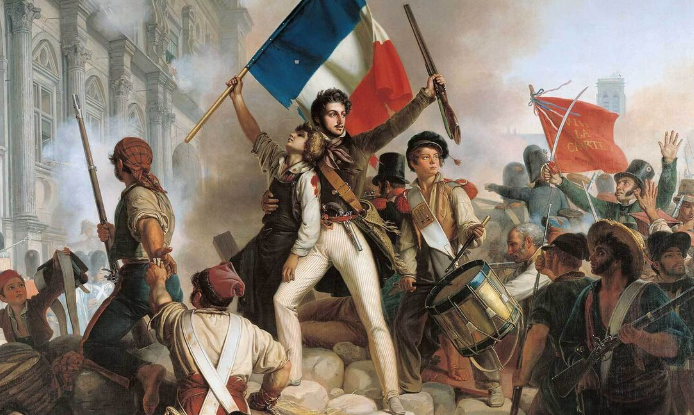 |
228 The July Revolution
The July Revolution of 1830 was an important event in French history. It led to the fall of King Charles X and the rise of a more liberal government. This revolution also inspired other European count...
|
|
READING
SPEAKING
CHUNK
더빙하기
|
|
| 35 |
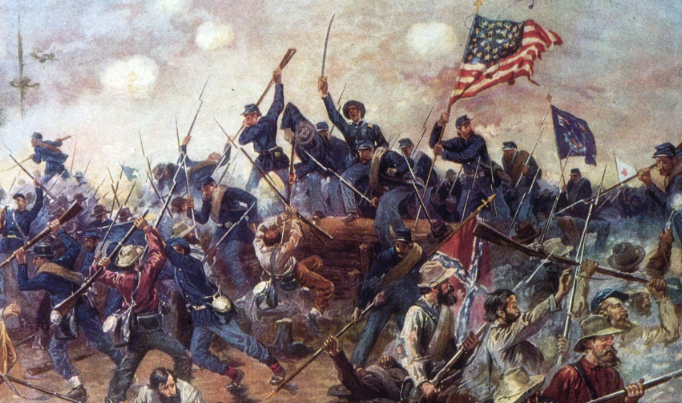 |
228 The American Civil War
The American Civil War was one of the most important events in U.S. history. It took place between 1861 and 1865 and was fought between the Northern states (the Union) and the Southern states (the Con...
|
|
READING
SPEAKING
CHUNK
더빙하기
|
|
| 36 |
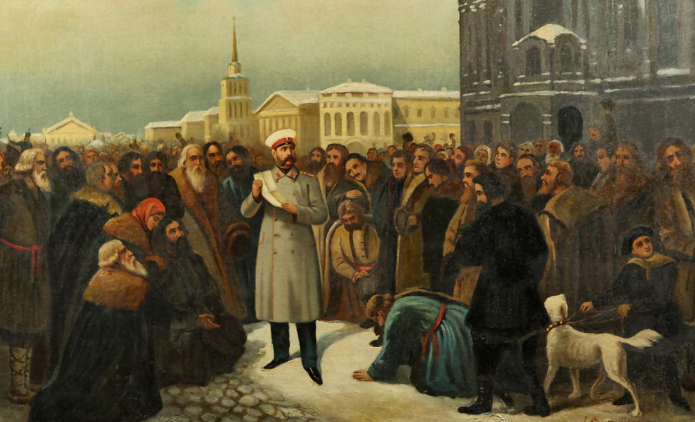 |
228 The Emancipation of Russian Serfs
The Emancipation of the Serfs in 1861 was one of the most important events in Russian history. Tsar Alexander II freed millions of serfs, ending a system that had lasted for centuries. This reform mar...
|
|
READING
SPEAKING
CHUNK
더빙하기
|
|
| 37 |
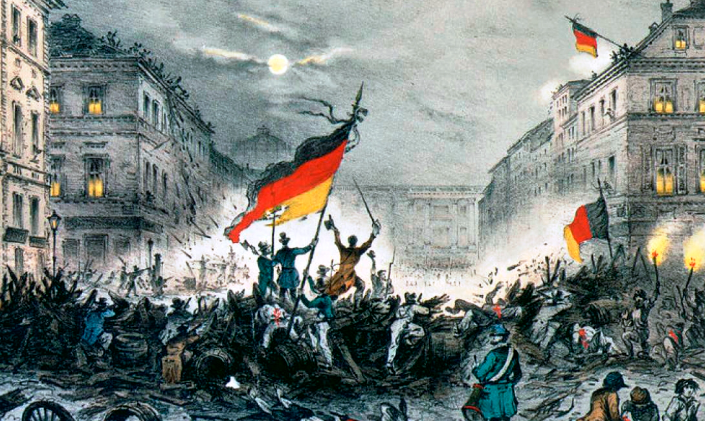 |
225 German Unification
The unification of Germany in 1871 was one of the most important events in European history. It was led by Otto von Bismarck, the Prime Minister of Prussia. His leadership and military strategy helped...
|
|
READING
SPEAKING
CHUNK
더빙하기
|
|
| 38 |
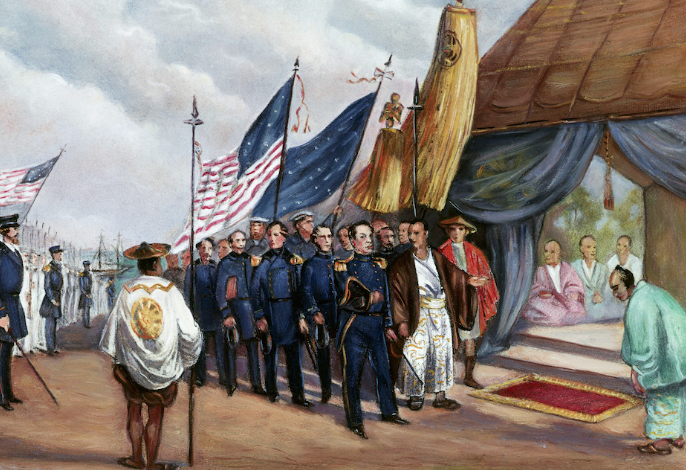 |
267 The Meiji Restoration
The Meiji Restoration was a major turning point in Japanese history. It began in 1868 and transformed Japan from a feudal society into a modern industrial nation. Under the rule of Emperor Meiji, Japa...
|
|
READING
SPEAKING
CHUNK
더빙하기
|
|
| 39 |
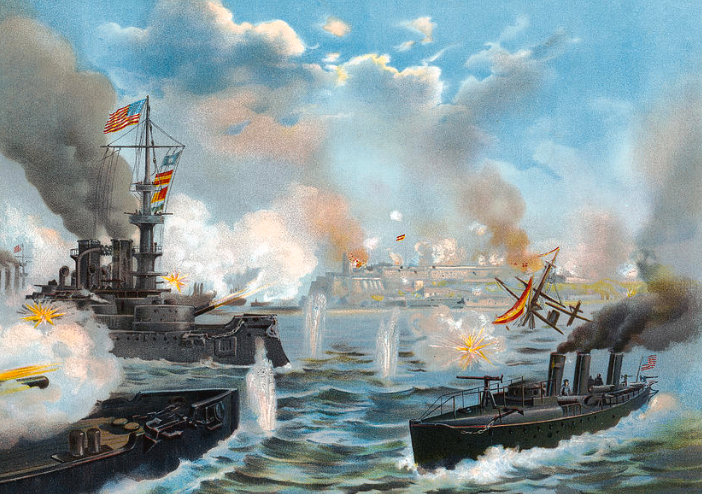 |
240 The Spanish-American War
The Spanish-American War of 1898 was a turning point in U.S. history. It marked the rise of the United States as a global power and led to the decline of Spain’s influence. The war was fought betwee...
|
|
READING
SPEAKING
CHUNK
더빙하기
|
|
| 40 |
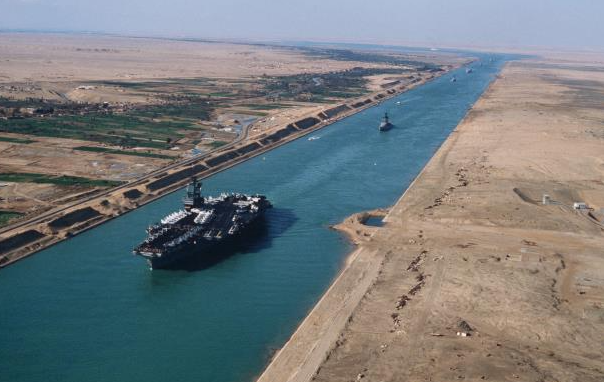 |
223 The Opening of the Suez Canal
The Suez Canal, one of the most important waterways in the world, officially opened in 1869. It connected the Mediterranean Sea to the Red Sea, allowing ships to travel between Europe and Asia without...
|
|
READING
SPEAKING
CHUNK
더빙하기
|
|